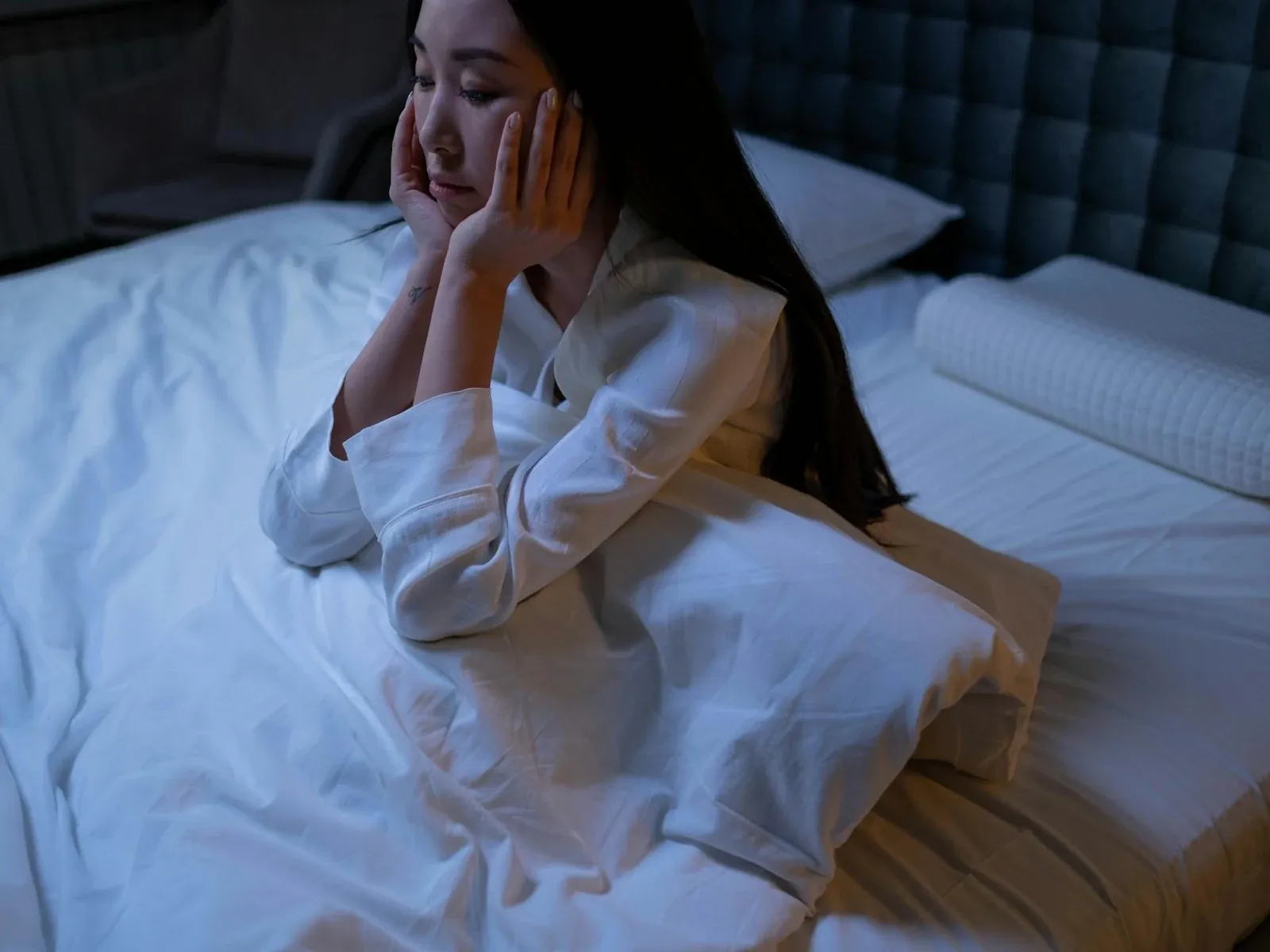
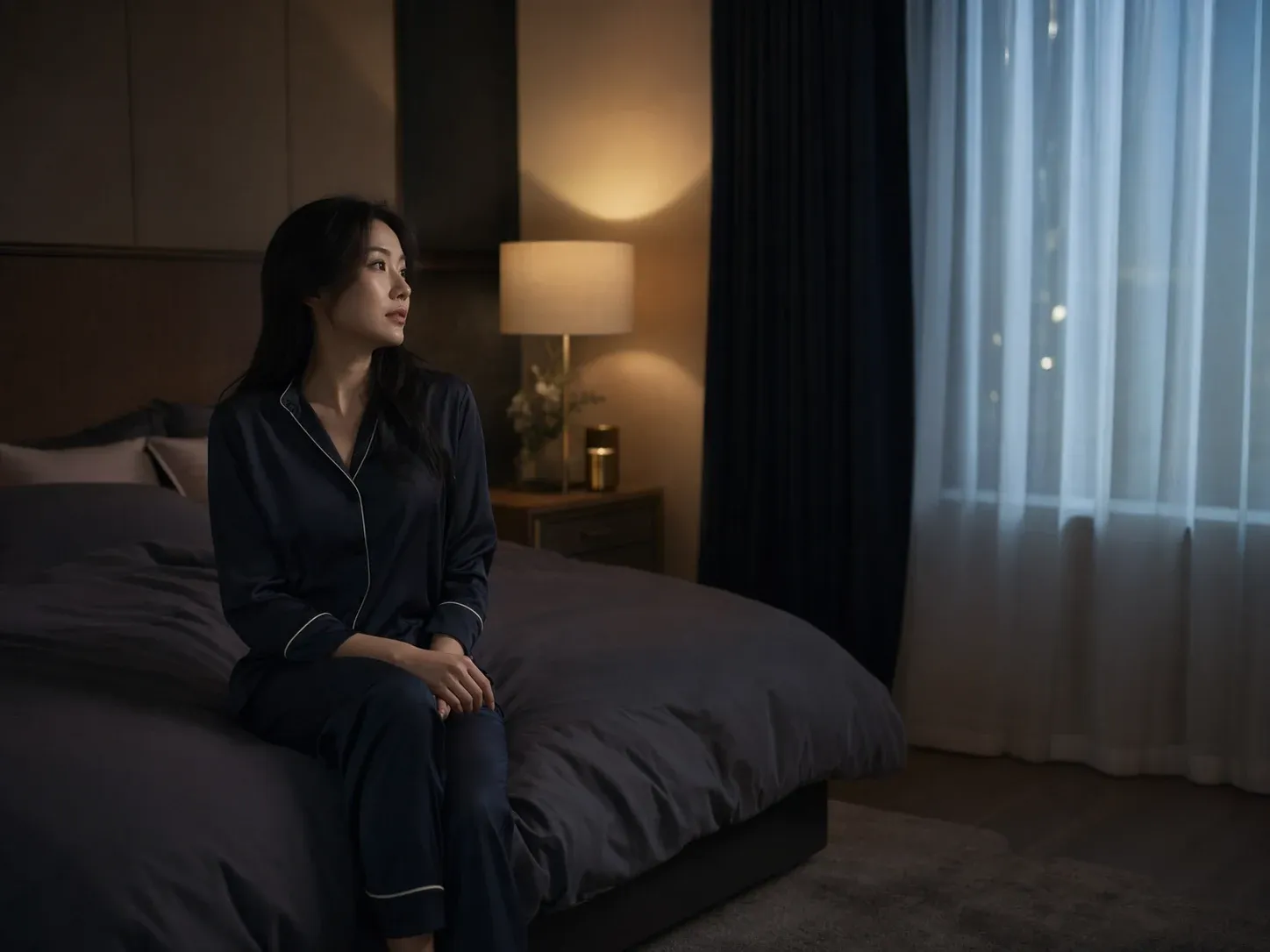
Insomnia checklist
Have these experiences
been repeating for a long time?
This page is for people like you
Do you still feel unrefreshed even after taking sleeping pills?
Medication can help you fall asleep, but it cannot tell you why you can’t sleep.
It takes more than an hour to fall asleep
Lying down, your mind only grows more alert and busier with thoughts.
You wake between 2 and 4 a.m. and can’t fall back asleep
Even forcing yourself to lie still, you stare at the ceiling until morning.
Even after eight hours, you feel tired and unrefreshed
You seem to have slept enough, yet feel drowsy and heavy-headed during the day.
You dream excessively, with recurring nightmares
You wake up more exhausted, and your focus suffers.
When stressed, you go several days without sleep
The more anxious or busy you are, the worse the insomnia becomes.
When you stop sleeping pills, you can’t sleep again
Falling asleep without medication feels uneasy, and you worry about dependence.
The Korean medicine perspective
Insomnia —
how Korean medicine sees it differently
Conventional medicine sees insomnia as a ‘symptom of insufficient sleep’ and prescribes sleep-inducing drugs.
Korean medicine looks for which balance in the body has broken down, leaving you unable to fall asleep on your own.
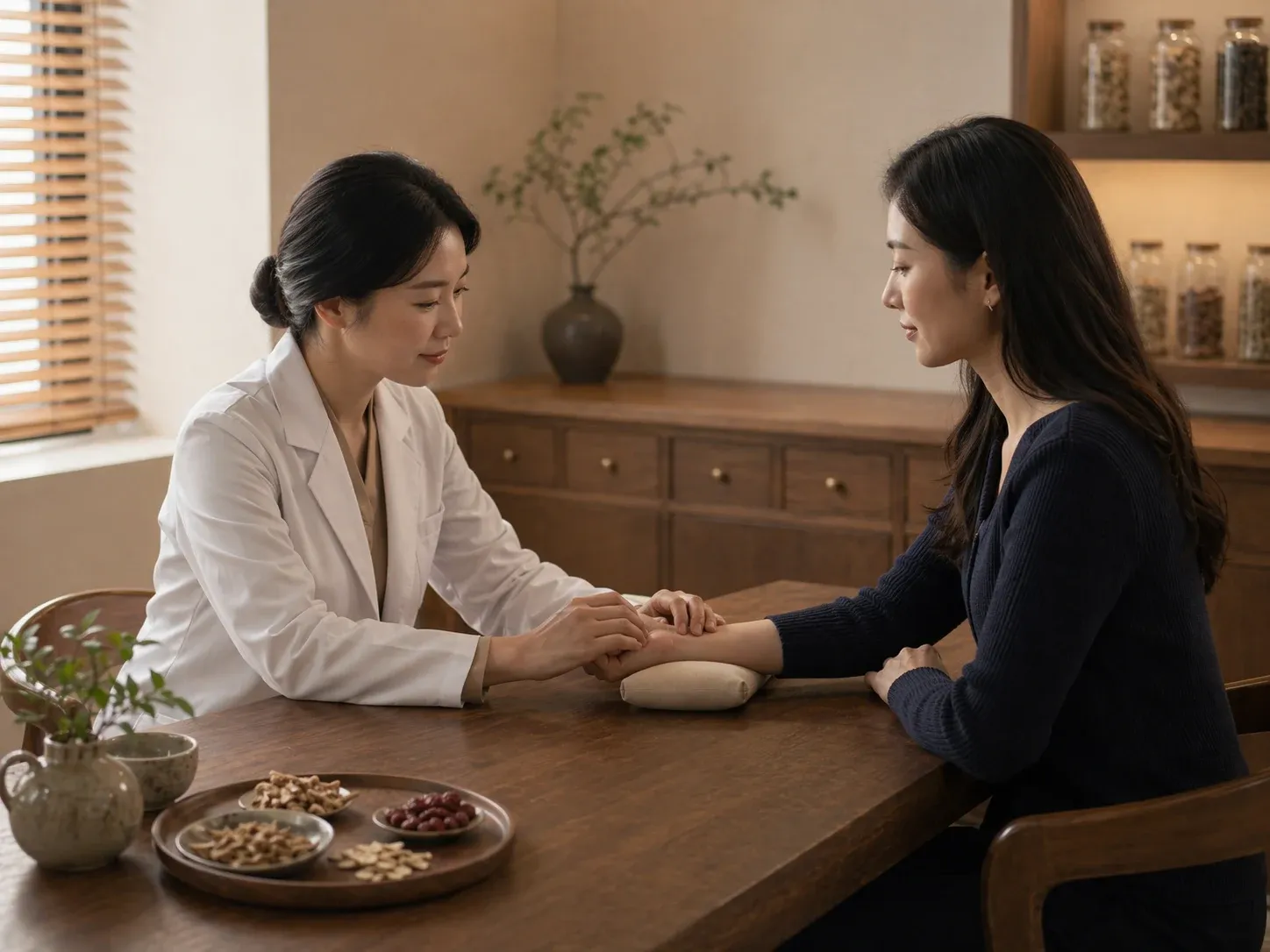
Sleep is a window (窓) that reveals the body’s inner state
In Korean medicine, sleep is not merely rest. Deep sleep is understood to come more naturally when the Heart (心) is settled, Liver qi flows smoothly, and the Spleen and Stomach (脾胃) are at ease.
When this balance breaks down, sleep may not come even after you close your eyes.


Spleen and Stomach (脾胃) weakness
For those whose insomnia comes with indigestion.
Discomfort increases after dinner, and overeating leads to sleeplessness.

How HyungInJae practices
Examination first, prescription second
Patterns of insomnia differ from person to person. Even for the same insomnia, the prescription changes entirely depending on whether the pattern is Heart Fire, Liver qi stagnation, or a Spleen and Stomach issue. HyungInJae Korean Medicine Clinic does not give the same prescription without examination.
STEP 01
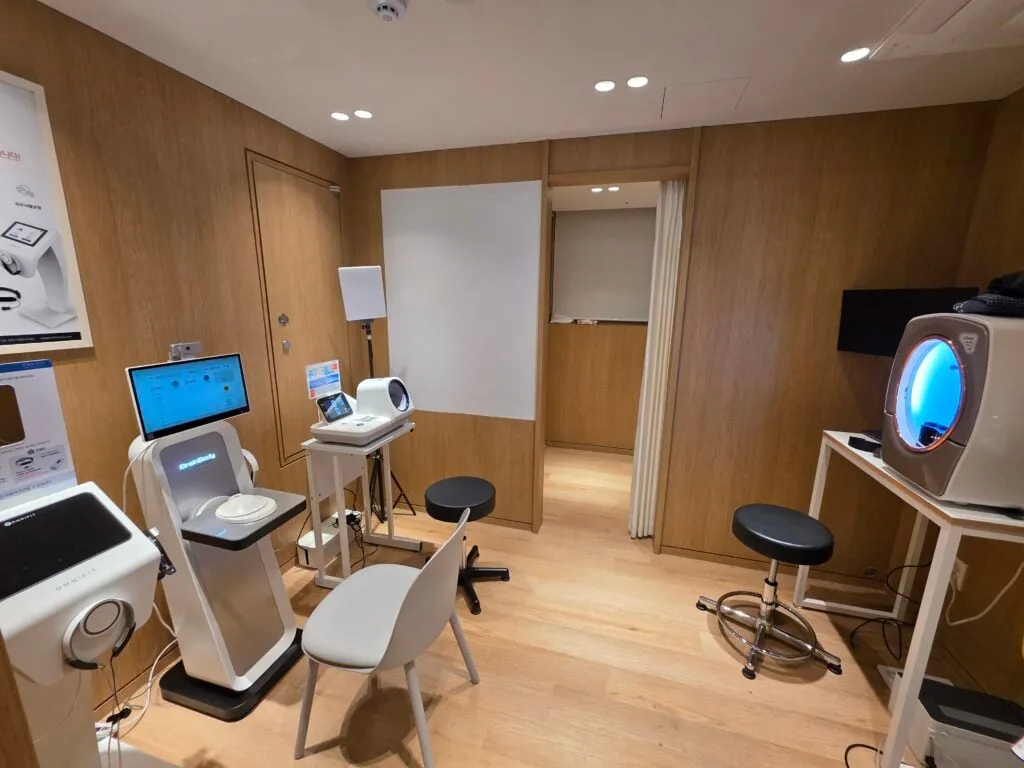
EEG test — objectively assessing your sleep state
EEG equipment measures your nervous system’s current tension, capacity to relax, and stress response. This becomes the starting point for where and how to begin easing tension.
EEG testSTEP 02
Constitutional diagnosis — identifying the Korean medicine pattern behind insomnia
Through pulse, tongue, and intake examination, we diagnose which balance — Heart (心), Liver (肝), or Spleen and Stomach (脾胃) — has broken down. Identifying the contributing pattern helps tailor the prescription.
Constitutional diagnosisSTEP 03
Blood test — checking internal state through physical markers
A blood test checks physical conditions that may be linked to insomnia, such as adrenal-function related concerns, thyroid irregularities, and nutritional imbalance. We consider the Korean medicine assessment together with modern testing.
Blood testSTEP 04
Personalized herbal medicine and a treatment plan
We combine the test results and constitutional diagnosis to design a prescription suited to each person’s insomnia pattern. We do not give every patient the same sleep formula.
Personalized prescription
Treatment components
The treatment program of
HyungInJae’s insomnia clinic
Our goal is not to suppress symptoms, but to support the bodily conditions for falling asleep naturally.
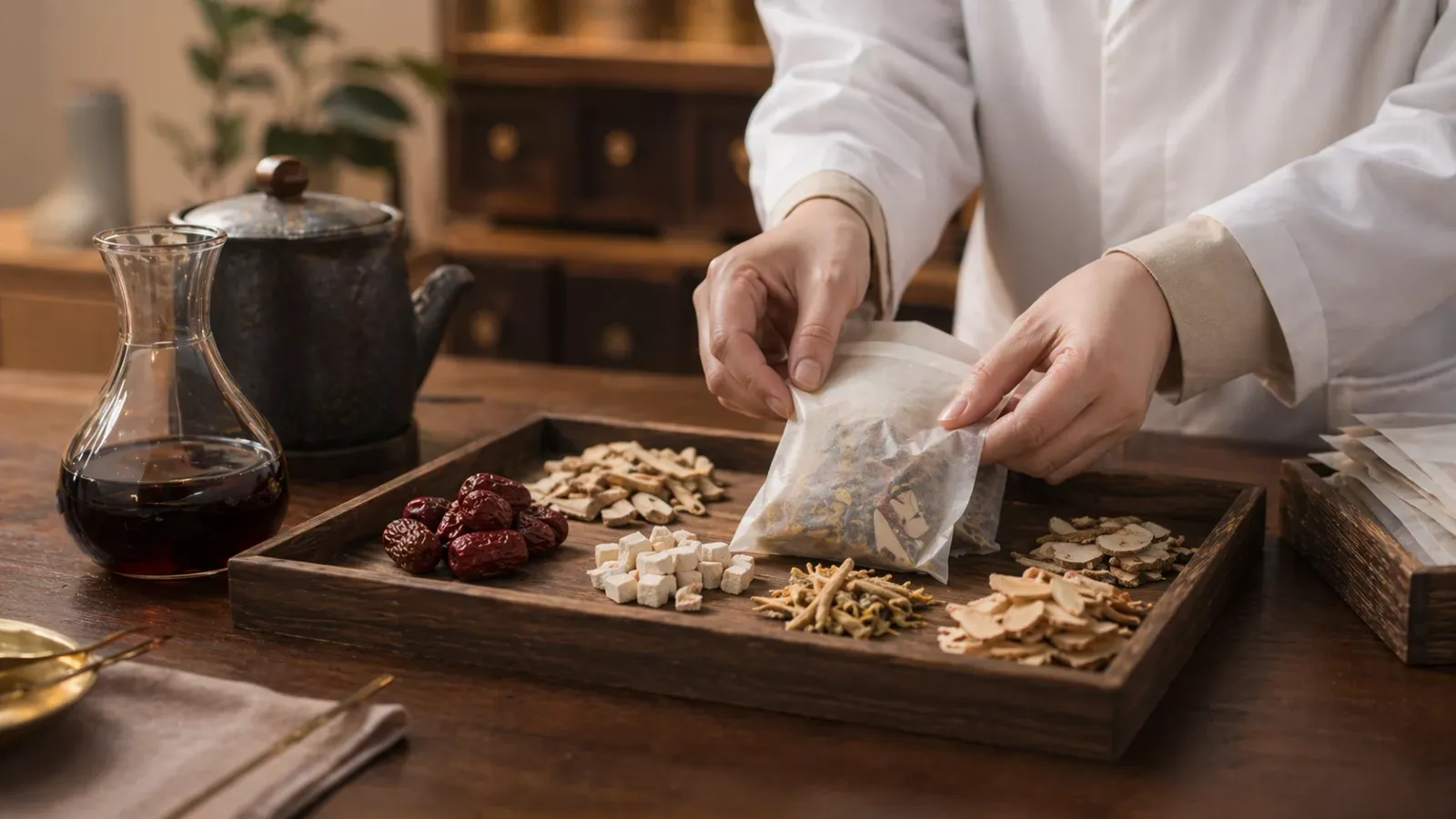
Constitution-tailored sleep herbal medicine
By insomnia pattern, the formula differs — one designed to help calm Heart Fire, one to support the flow of Liver qi, one to ease the Spleen and Stomach. Rather than forcing sleep like a sleeping pill, it helps support the bodily conditions for falling asleep naturally.
Herbal medicine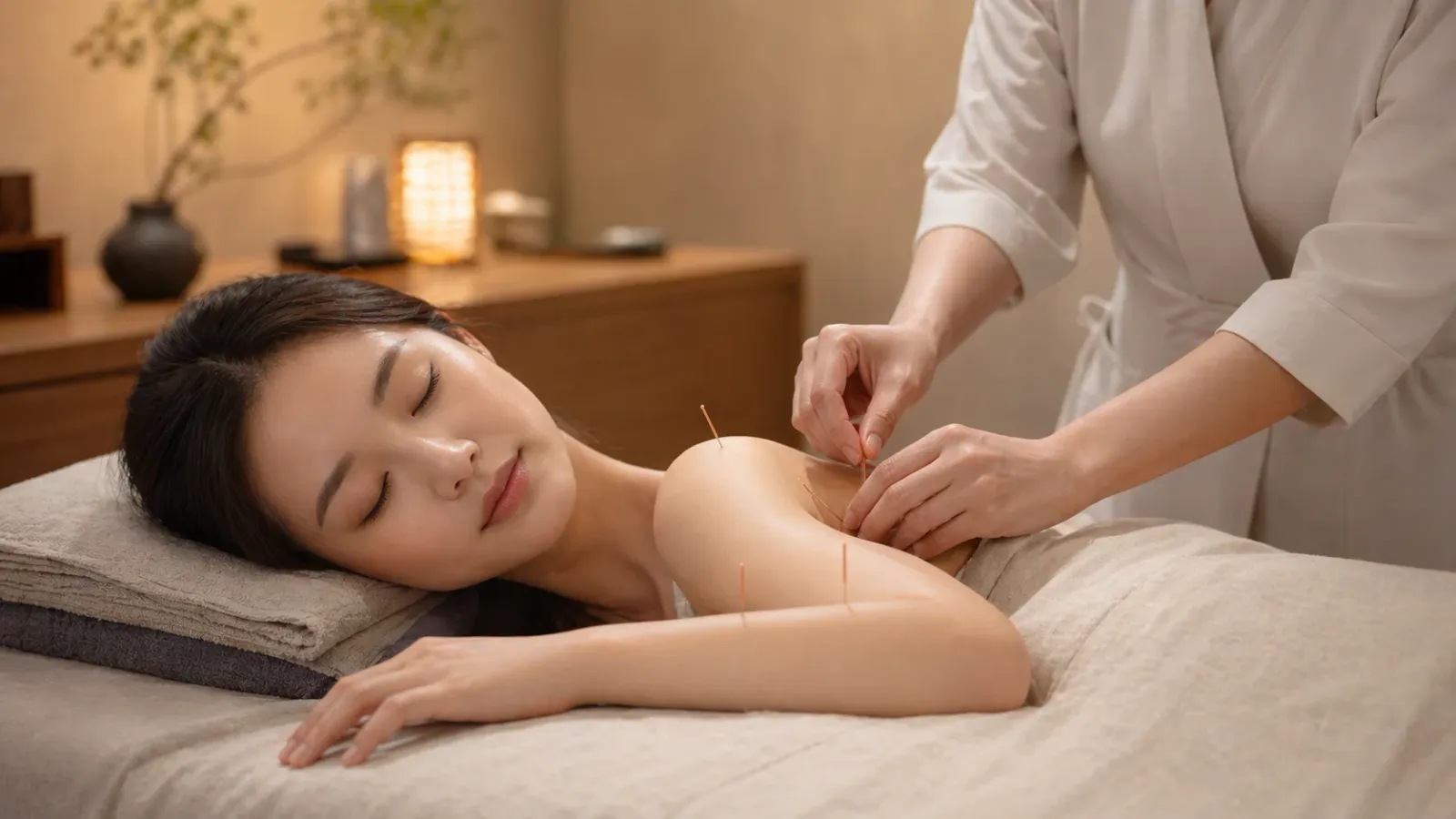
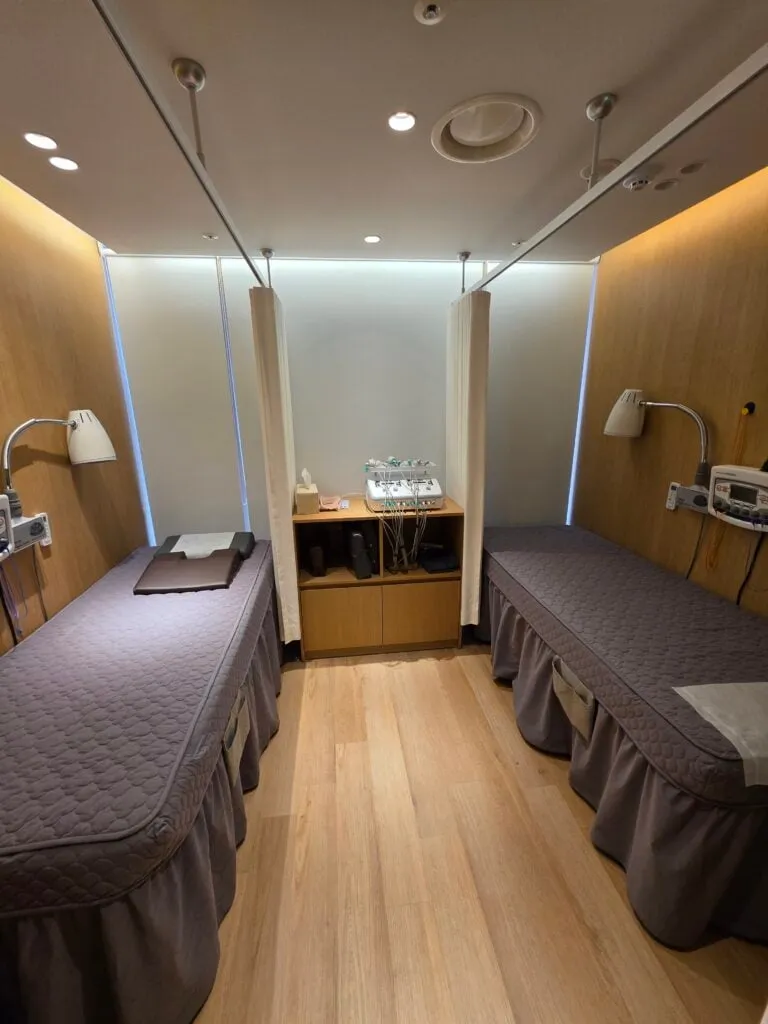
Acupuncture to help settle the nervous system
We add acupuncture at key points that may help calm the mind and body, soothe an overactive sympathetic nervous system, and encourage a relaxation response. It may be particularly helpful for those who feel very tense before sleep.
Acupuncture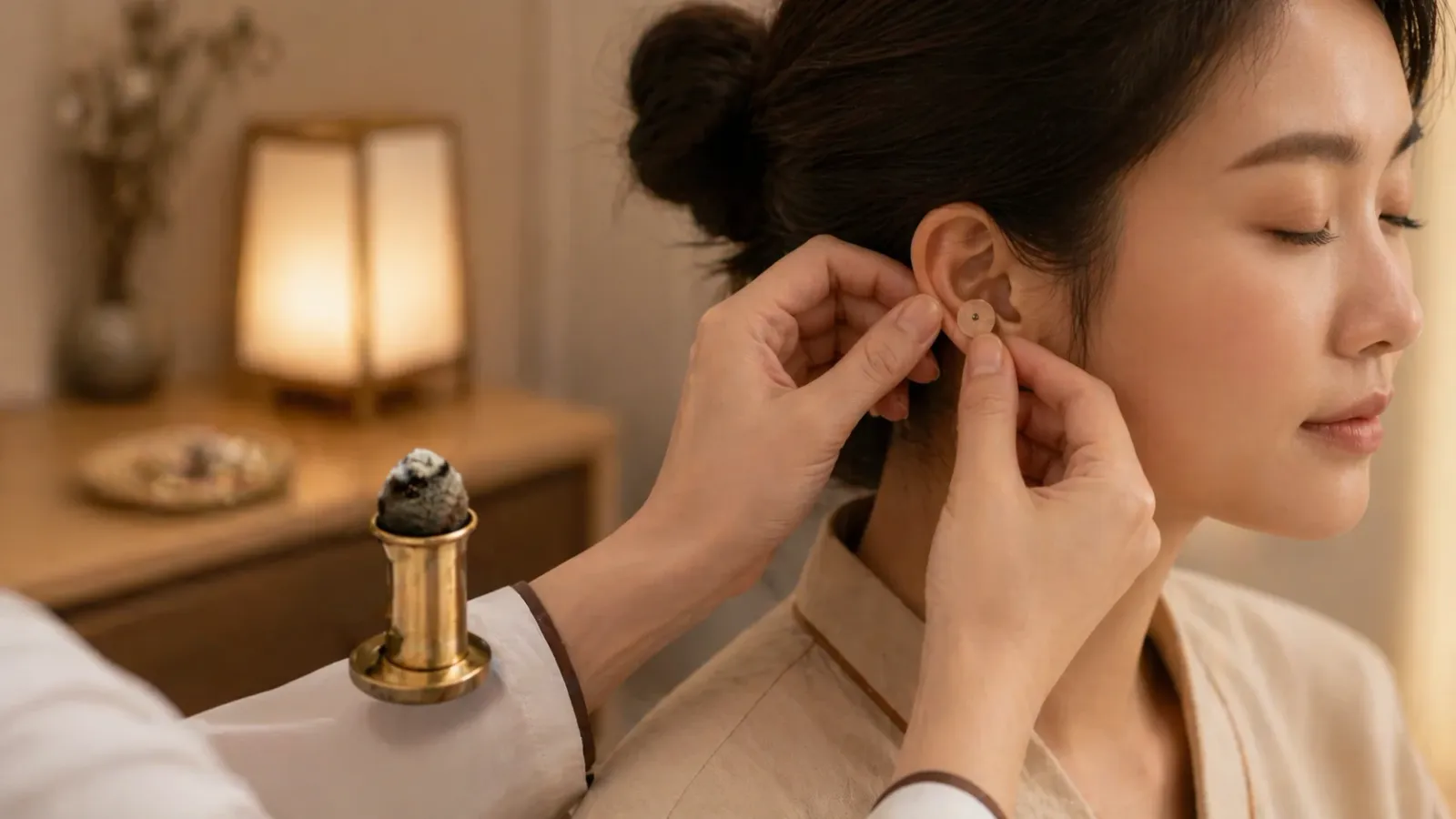
Moxibustion and auricular acupuncture as supportive care
Moxibustion supports qi and blood circulation in the abdomen and lower back, while auricular acupuncture stimulates sleep-related points on the ear — together supporting treatment outcomes.
Supportive care
Lifestyle-habit guidance
We review personal lifestyle patterns such as meals before bed, drinks, lighting, and sleep routines. Recurrence may be easier to manage when treatment and daily habits change together.
Lifestyle careWhy HyungInJae is different
A different approach
from sleeping pills
Conventional sleeping-pill treatment vs. HyungInJae’s insomnia clinic
Conventional approach
Looking only at the symptom (insomnia),
prescribing sleep aids
HyungInJae’s approach
With EEG and blood tests,
identify contributing patterns first
Typical outcome
Sleep only on the nights
you take medication
HyungInJae’s goal
Supporting a body
that falls asleep on its own
Concern
With long-term use,
dependence and tolerance
HyungInJae’s direction
Through constitutional care,
managing recurrence

Our care philosophy
Sleeplessness is not a bad habit.
It is a signal your body is sending.
Reading that signal accurately is where treatment begins.
— HyungInJae Korean Medicine Clinic, care philosophy