Chuna Therapy
What is Chuna Manual Therapy?
As its name suggests, Chuna combines Chu (推), meaning to push, and Na (拿), meaning to pull.
It is a Korean Medicine manual therapy that uses pushing and pulling techniques to help improve body alignment
and support functional recovery.
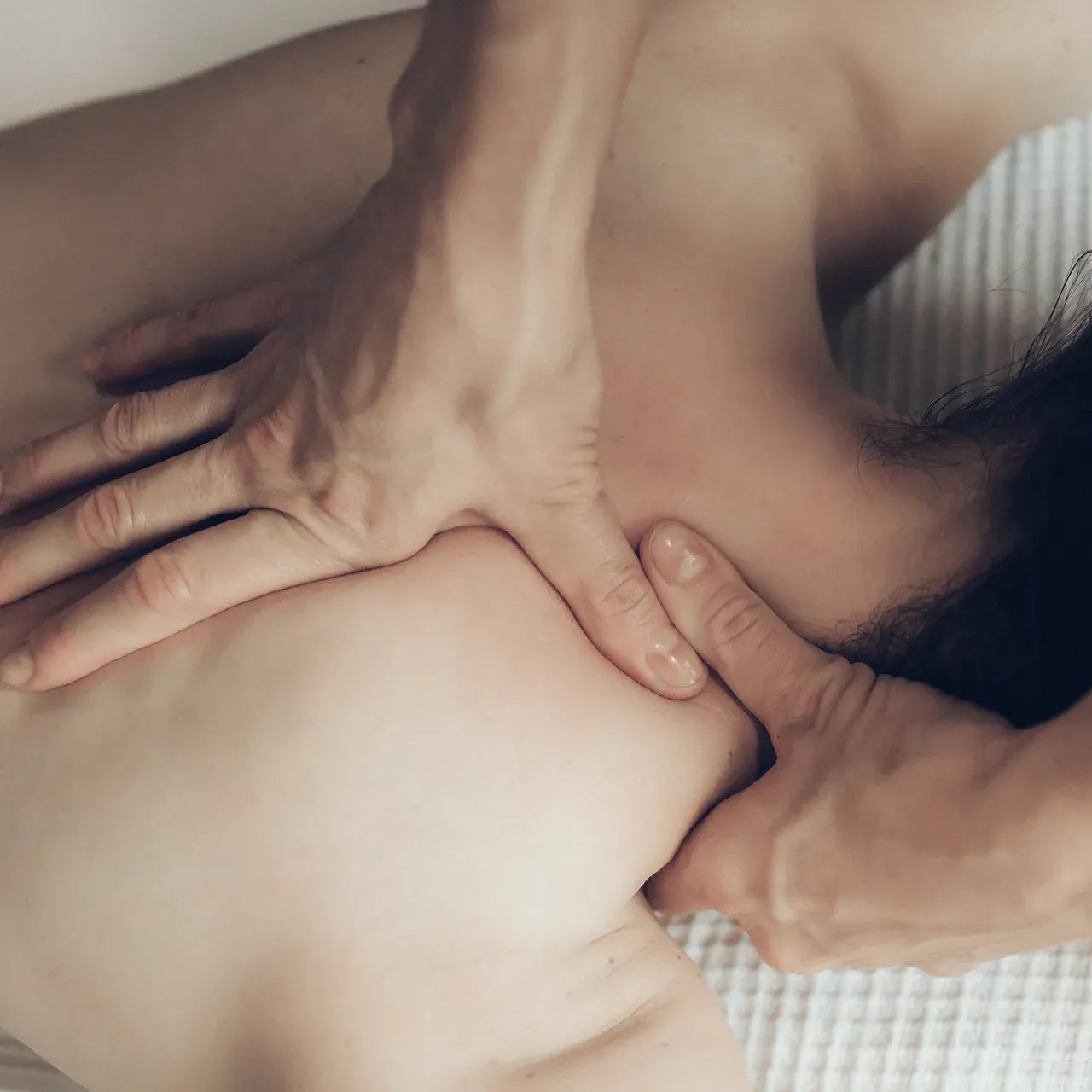
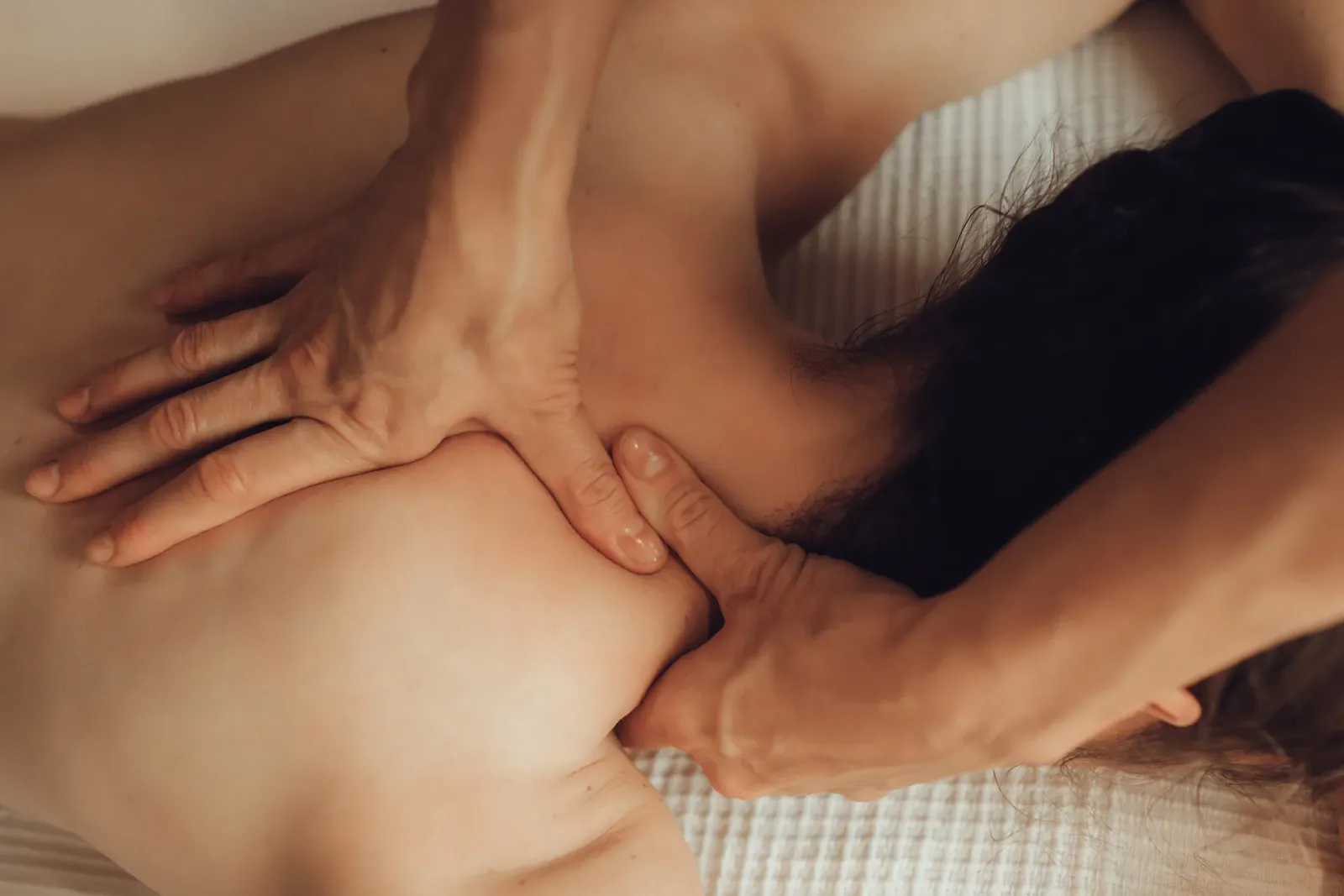
A Korean Medicine doctor (KMD) uses manual techniques, or parts of the practitioner’s body, to release tight muscles
and help address bone and postural misalignment, easing pain and supporting healthier body alignment.
HyungInJae Korean Medicine Clinic
Potential Benefits of Chuna Manual Therapy
Autonomic Nervous System Regulation
: Supports overall health
Hormonal Balance Support
: Supports women’s health

Sleep Quality Support

Digestive Function Support
With extensive treatment experience
Professional Expertise and a Careful, Stable Approach
Over 4,000 treatment cases across more than 7 years of experience
Focused on women’s health and internal medicine concerns
Careful care for a wide age range, from children to adults in their 80s and older
Synergistic support when combined with acupuncture and Korean herbal medicine
HyungInJae Korean Medicine Clinic
What Makes HyungInJae’s Chuna Manual Therapy Distinctive
Rather than directly stimulating the painful area, HyungInJae’s Chuna Manual Therapy assesses underlying contributing factors and carefully addresses soft-tissue adhesions and misalignment.
It may help support care for musculoskeletal concerns as well as women’s health concerns, autonomic nervous system-related concerns, hormonal imbalance, neuropsychiatric concerns, and digestive concerns.