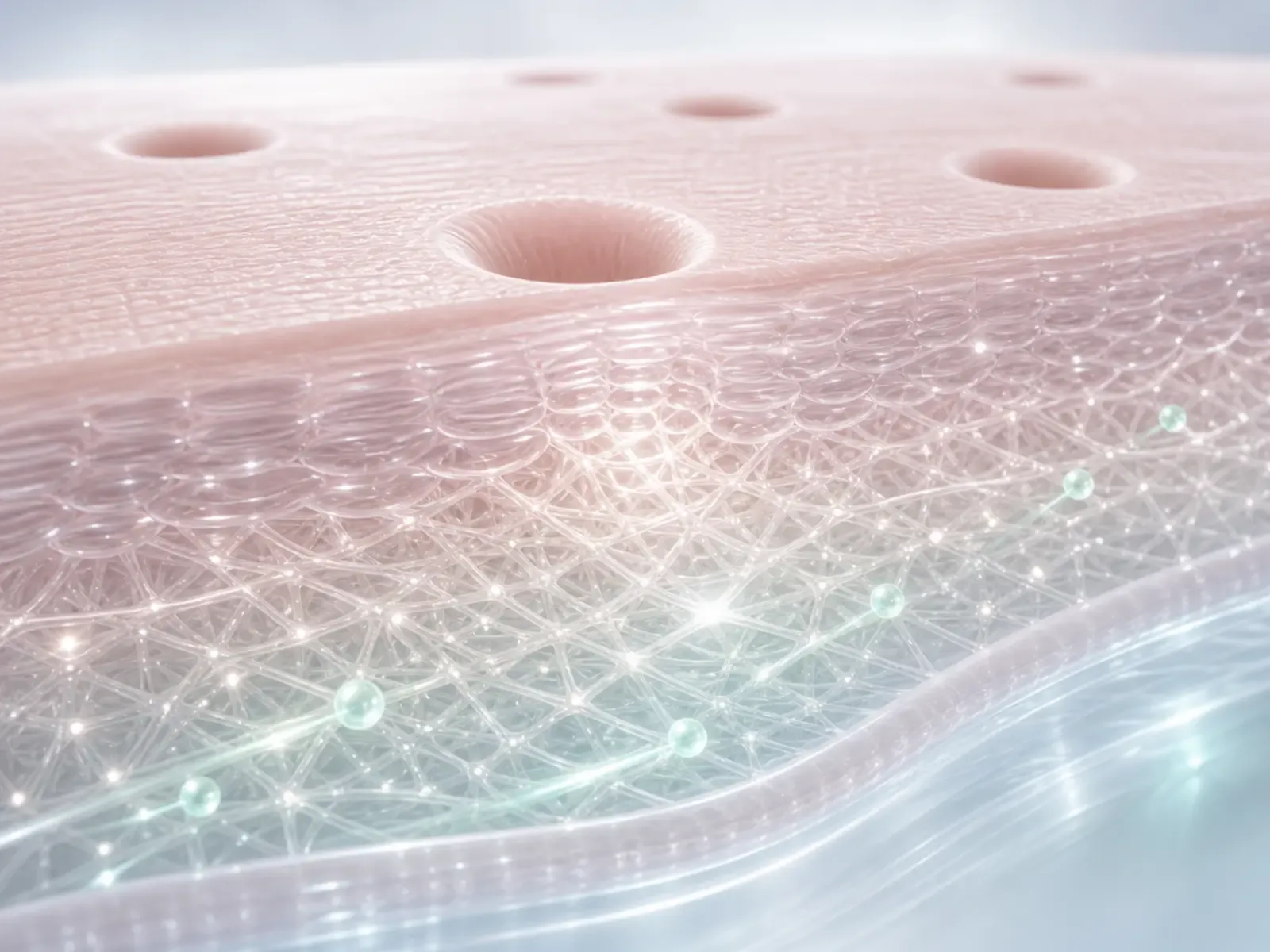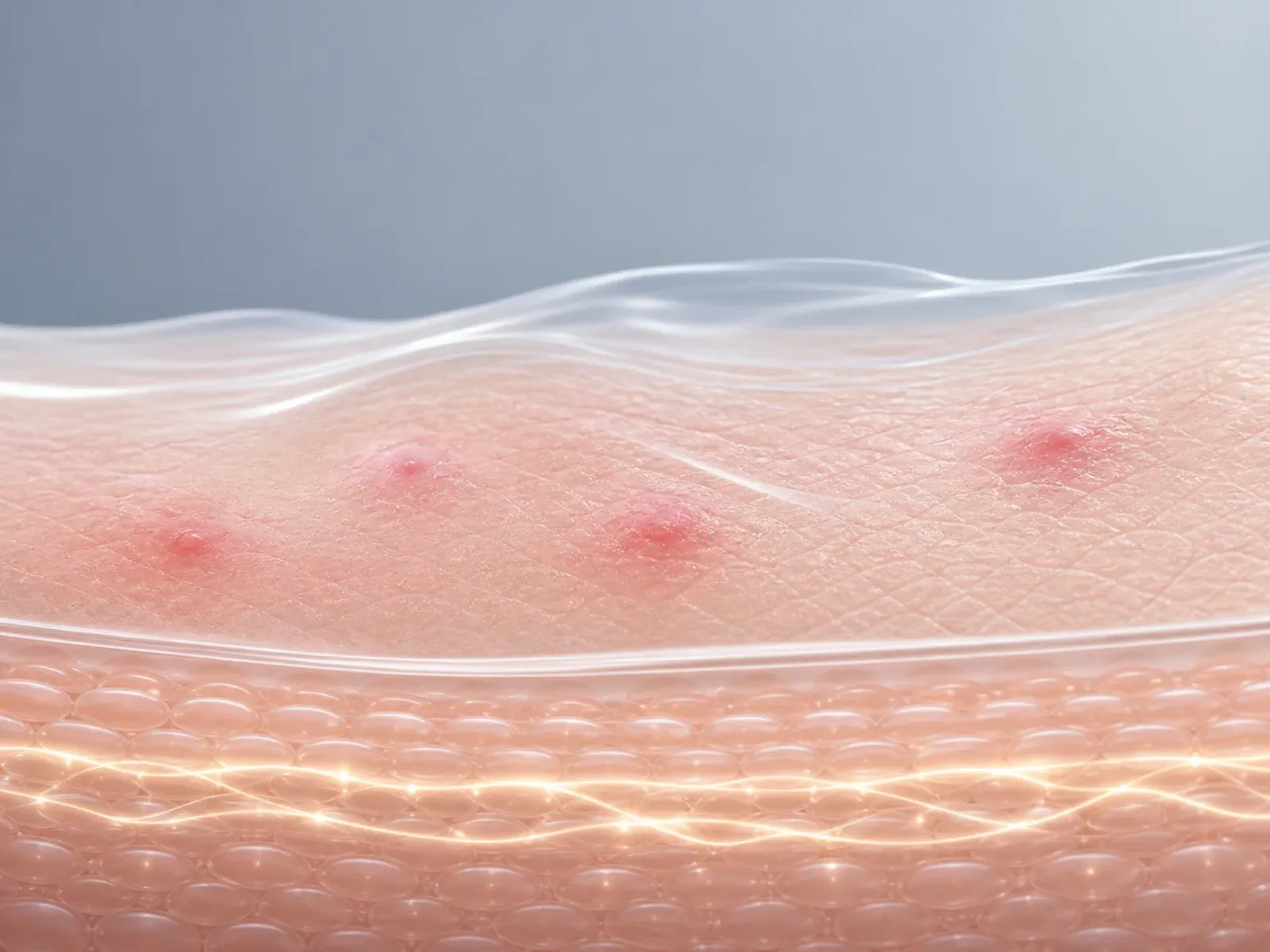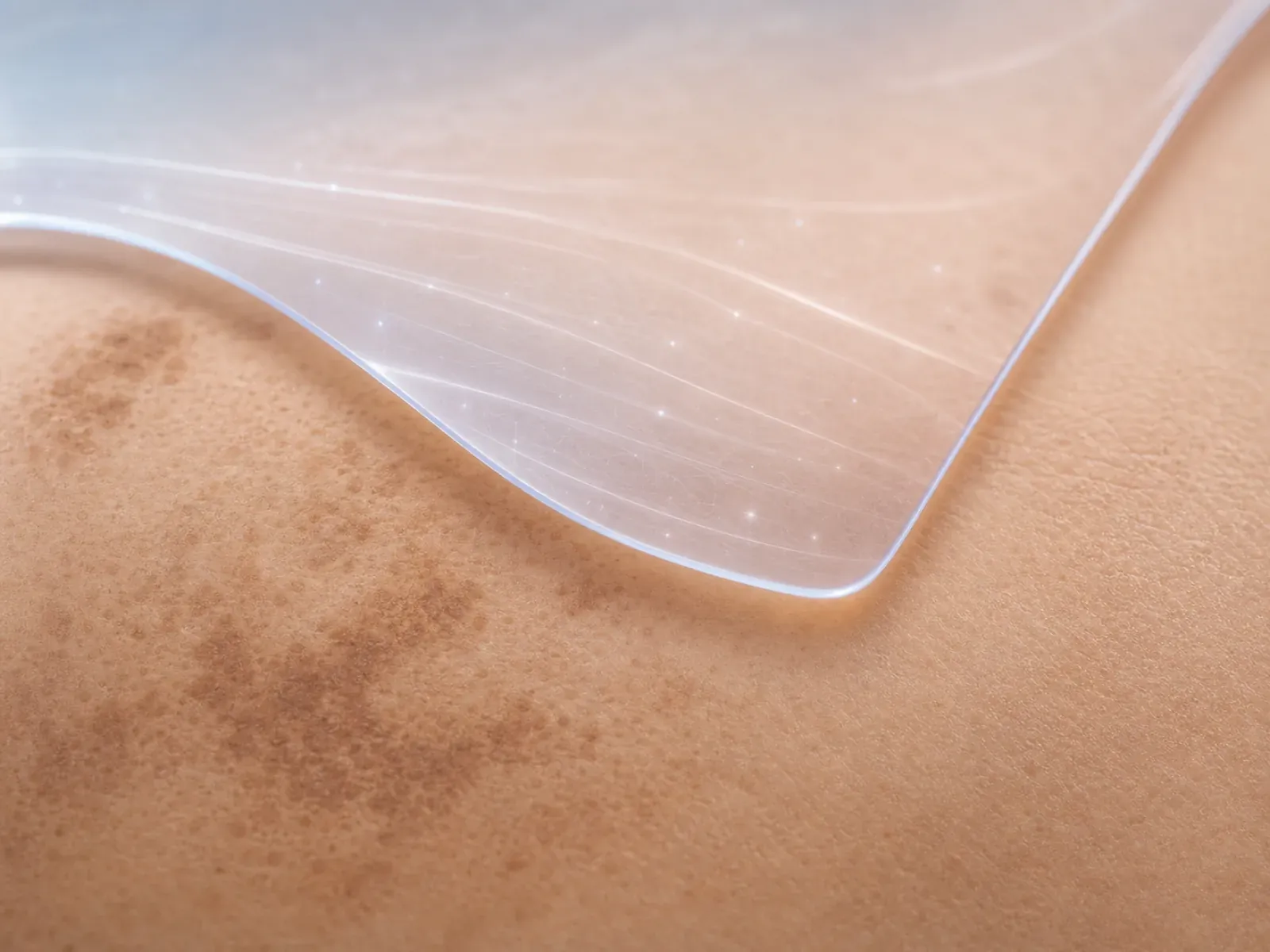

Facial Asymmetry rarely has a single cause
When the main concern is a visible left-right difference in the jaw, cheekbone, or corner of the mouth,
and skin elasticity and the fascial condition are relatively good,
a Korean Medicine-only program may be enough to support better balance.
When the asymmetry comes with sagging skin, loosened fascia, and changes in the surface contour,
a comprehensive program combining Korean Medicine with aesthetic procedures may be a better fit.
A consultation helps determine which program better fits your condition.
Comparing the Programs
Two Care Programs
HyungInJae Korean Medicine Clinic offers facial-asymmetry care in two programs, depending on your condition.
It is not about which one is better, but about working together to find the approach that suits your situation.
Korean Medicine Only
Facial Balance Program
A Korean Medicine-only program that uses Mi-in acupuncture and Chuna therapy to help support left-right balance.
Mi-in acupuncture Chuna therapy
Who it’s suited for
Those whose main concern is a visible left-right difference in the jaw, cheekbone, or corner of the mouth Those whose skin elasticity and fascial condition are relatively good Those who want gradual balance support centered on Korean Medicine Those who want to address the underlying structure first, without aesthetic procedures
Session Guide
Structural change takes time to build up, so a course of five or more care sessions is recommended.
The exact number of sessions is decided during consultation.
Korean Medicine + Aesthetic Combined
Comprehensive Facial Balance Care
A Korean Medicine-and-aesthetic program that adds surface care on top of structural balance.
Mi-in acupuncture Chuna therapy V-RO UMS Facial
Who it’s suited for
Those whose asymmetry is accompanied by sagging skin and loosened fascia Those who also want to refine surface contour changes Those looking for synergy between Korean Medicine and aesthetic procedures Those who want to address everything at once with comprehensive facial care
Session Guide
A course of five or more sessions is recommended for both the Korean Medicine and the aesthetic procedures.
How sessions are allocated across procedures is decided during consultation.

Choosing Your Program
The Right Program for You
A precise assessment is made through consultation
01
Degree of asymmetry
Whether it is clearly visible in photos or a subtle difference only you notice can change how intensive the care needs to be.
02
Condition of the surface tissue
Whether skin elasticity and fascia sagging are involved determines whether Korean Medicine alone is enough or whether aesthetic procedures should be combined.
03
Care timeline and pace
Whether you prefer short, intensive care or gradual change over the medium to long term can change how the sessions are structured.
04
Accompanying aesthetic goals
If you also want to refine your facial contour or improve skin elasticity, the comprehensive program may be a better fit.
About the Procedures
A short guide to the procedures included in the two programs.
You can review detailed benefits and precautions on each procedure page.

Facial Asymmetry Mi-in(美人) Acupuncture
Facial Asymmetry Mi-in(美人) Acupuncture uses gentle needle stimulation to help balance the facial muscles and the area around the jaw joint, working alongside Chuna therapy to support left–right symmetry.
Chuna Manual Therapy
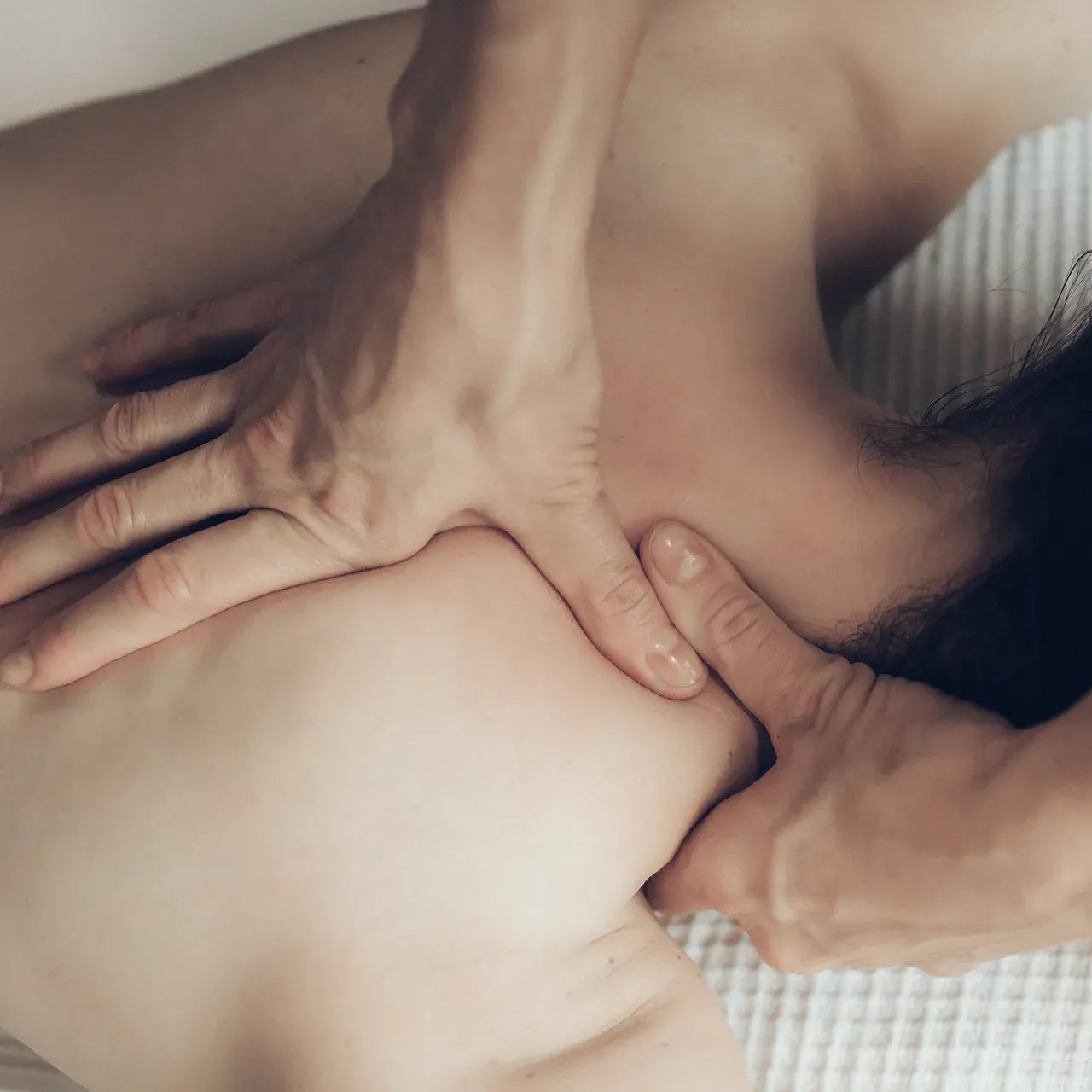
Chuna Manual Therapy is a Korean Medicine hands-on therapy that uses manual techniques to help adjust movement and alignment in the spine, joints, and fascia, helping relieve pain and support functional recovery.

V-RO Lifting
V-RO Lifting is a non-invasive lifting procedure that uses a combination of HIFU and RF energy to address facial lines and elasticity concerns.
UMS Facial
The UMS Facial is a facial lifting that uses HIFES and RF energy to stimulate facial muscles and skin elasticity together to help contour the face.
Notes That Apply to Both Programs
Find the program that’s right for you through a consultation.
01
Both the Facial Balance Program and Comprehensive Facial Balance Care are recommended as a course of five or more sessions, because structural change needs time to accumulate.
02
Which program you start with is decided through consultation, based on your condition and goals. You may also begin with basic care and later expand to comprehensive care; because such changes require medical judgment, they are always made through consultation.
The allocation, spacing, and aftercare for each procedure are explained during consultation.