
Legacy,
It requires more careful cooking.
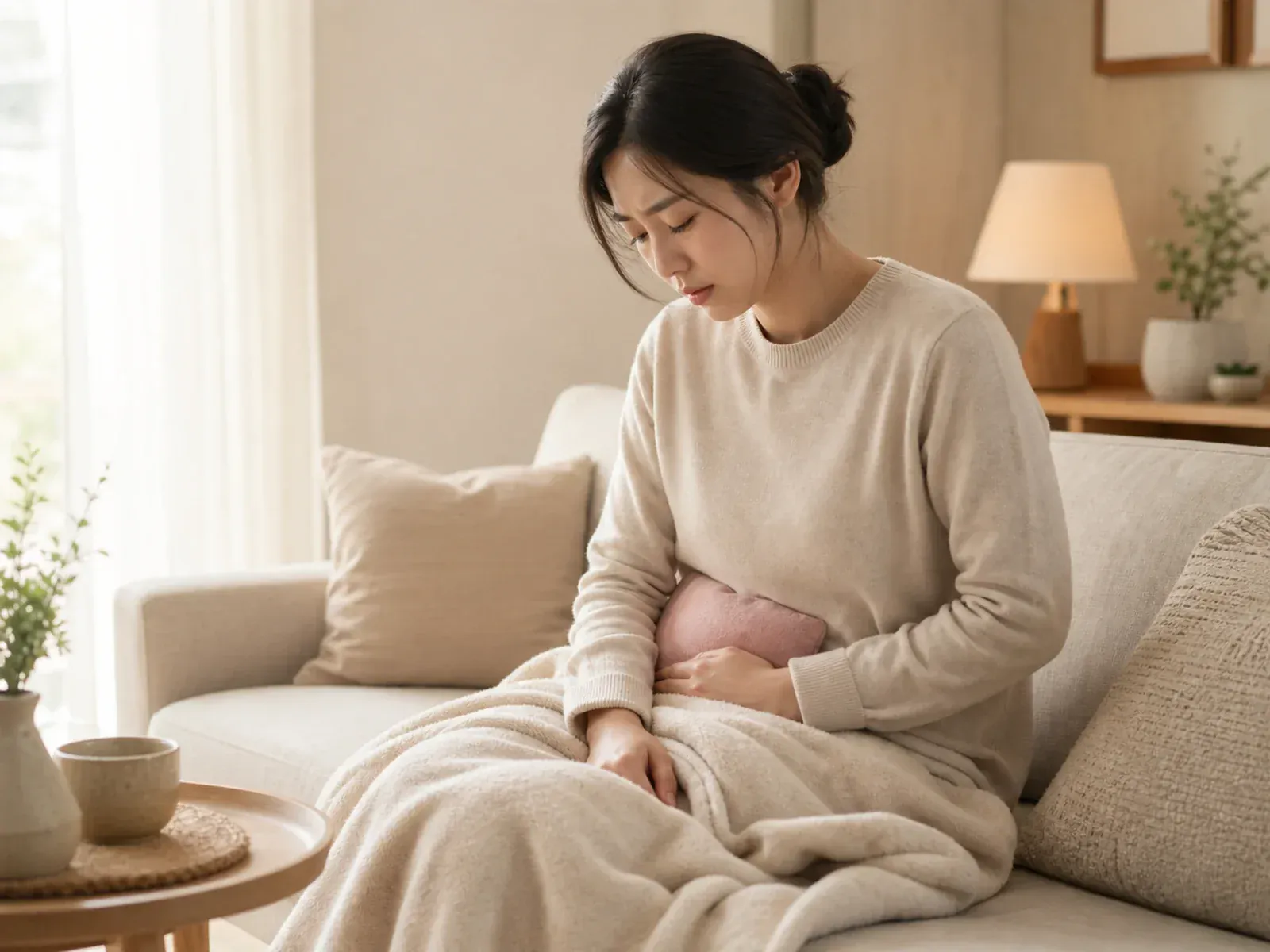
After a miscarriage, mothers suffer physical aftereffects comparable to childbirth and psychological effects such as
grief and guilt.
Miscarriage is not the couple’s fault.
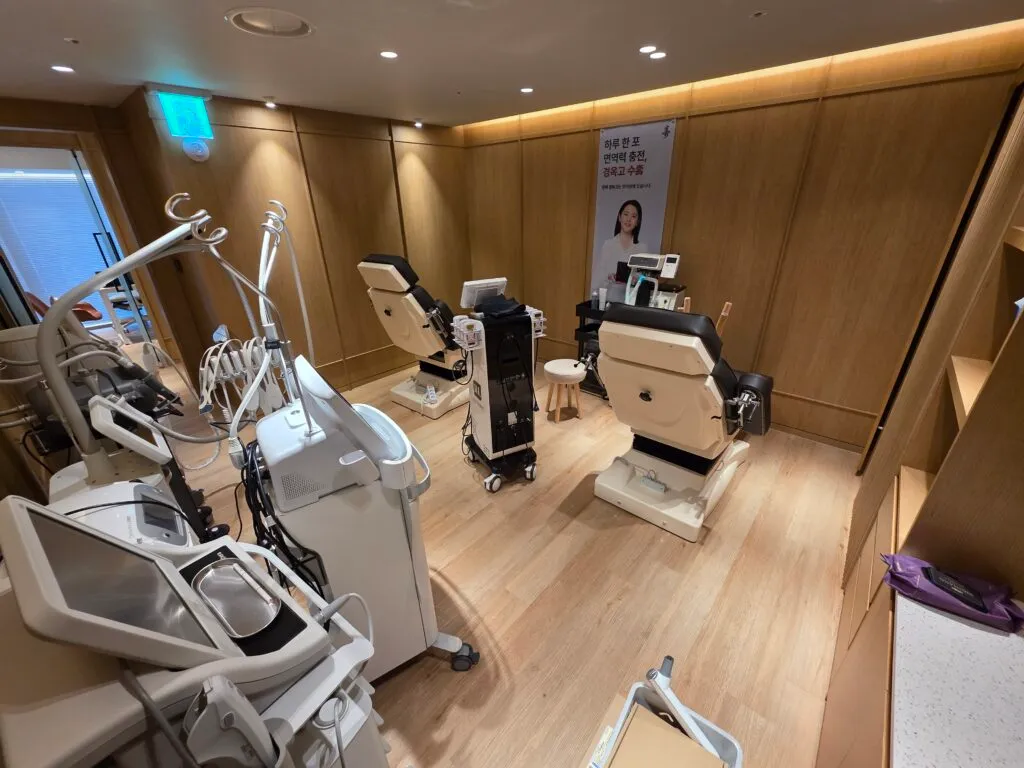
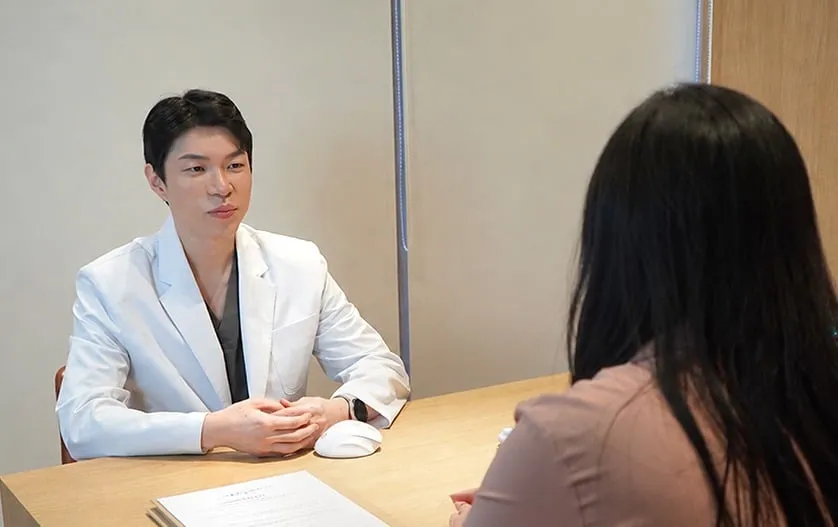
Hyunginjae Korean Medicine Beauty Clinic is here to share your heavy burden.

About 20% of mothers experience a
miscarriage.
Miscarriages are common, affecting 1 to 2 in 10 women.
This figure only counts medically recognized miscarriages, and is estimated to be even more frequent when considering
non-medically recognized miscarriages.
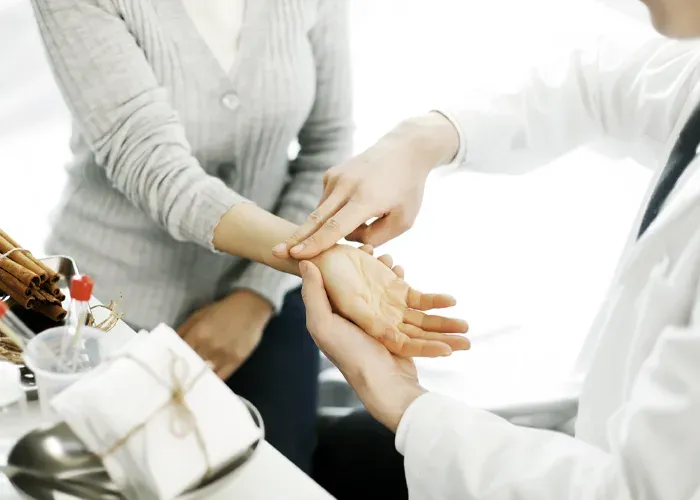
Post-abortion Care
Miscarriage recurrence rate
For a single miscarriage
15%
For 2 miscarriages
35%
For 3 miscarriages
45%
Risk grows with repetition
Suffering a miscarriage significantly weakens the mother’s ability to repair damage in utero, increasing the chance of
habitual miscarriage.

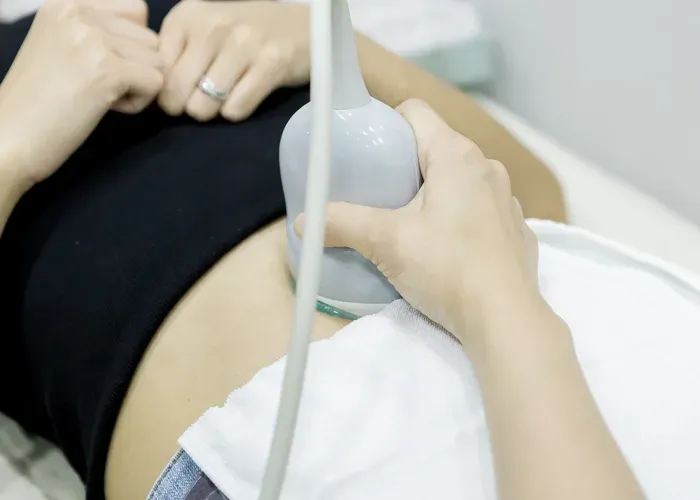
C-sections can cause
more damage to the uterus than normal labor.
It can cause complications such as uterine adhesions, where the walls of the uterus stick together, pelvic inflammation, and inability to
drain the oro.

Mothers who miscarry have severe hemoptysis and
blood loss.
Even after a second pregnancy, there is an increased risk of cervical incompetence, placenta previa,
placental abruption, and preterm labor.
Korean Medicine
Miscarriage in Korean Medicine
In the book, Dr. Dong says that a miscarriage is “like being forced to take an unripe chestnut and popping it“
and emphasizes the importance of Post-abortion Care, both physical and psychological.
You need to be psychologically and physically stable after a miscarriage and
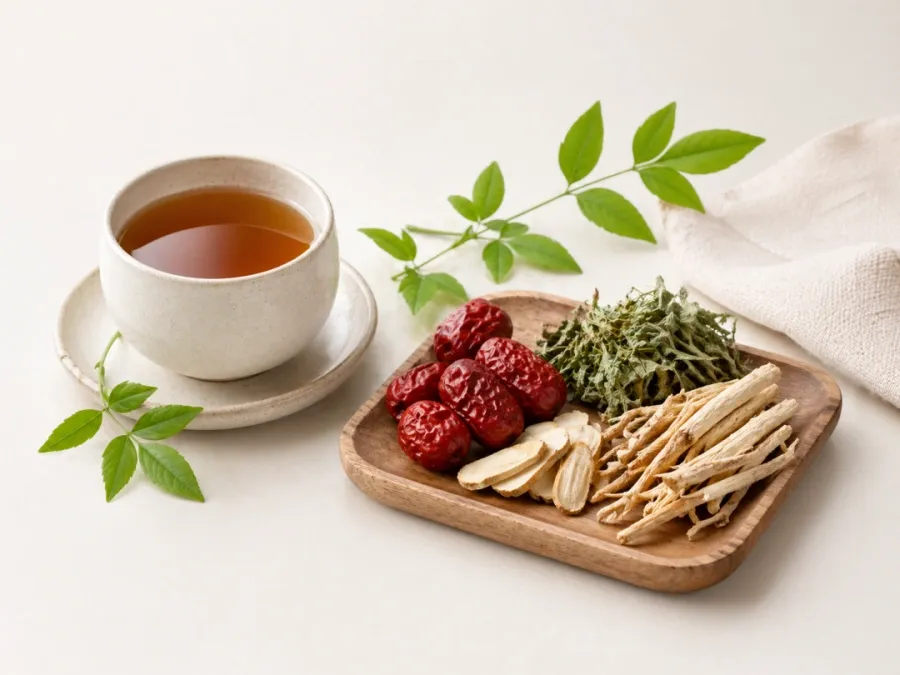
replenish qi to strengthen the lining of the uterus to prevent infertility.
Hyunginjae Korean Medicine Beauty Clinic
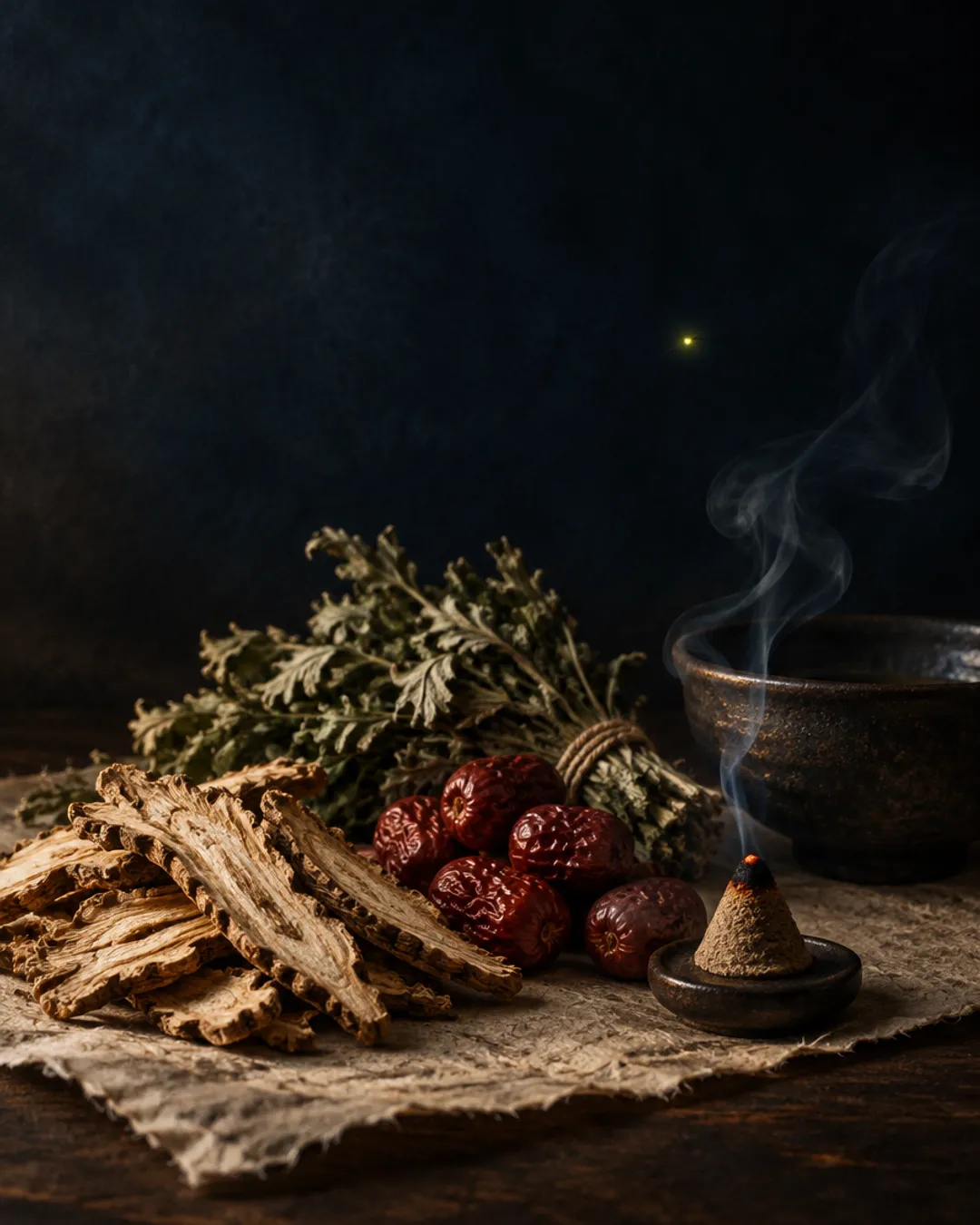
Cooking Therapy After Miscarriage
Step 1
Drain fish blood to prevent adhesions on the endometrium
▽
Step 2
Reinforces Qi for a weakened uterus and ovaries
▽
Step 3
Adjusting misaligned pentacles
Create a healthy fertility environment
to help your next pregnancy go smoothly.