Key points
Noticing more hair shedding during weight loss? Review when it began, your eating pattern, and scalp changes before buying supplements. Learn when to seek assessment.
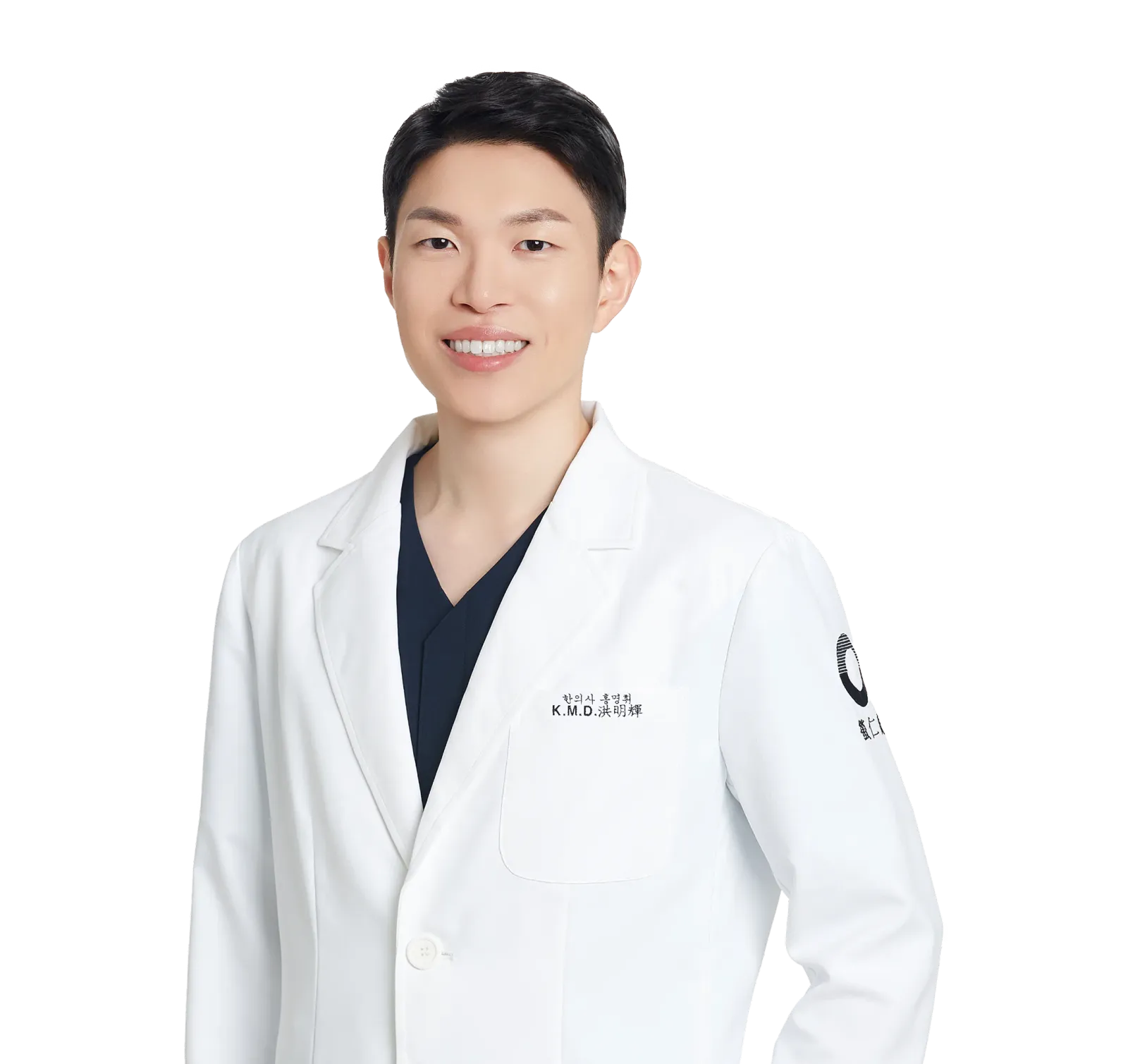
Hello, I’m Dr. Hong Myeong-hwi, Chief Physician at Hyunginjae Korean Medicine Clinic Gangnam (Acupuncture Hyunginjae Gangnam Diet Korea).
Your weight is going down, but after washing your hair, the strands in the drain catch your attention first. Is it your diet? Should you change shampoo? Before ordering supplements, look back at when the change began.
I don’t judge progress by the number on the scale alone. Changes in how your body feels while you are skipping meals matter too. But shedding doesn’t automatically mean you have a nutritional deficiency.
1. Look further back than this week’s meals
Sudden weight loss or a very restrictive diet can trigger telogen effluvium: increased shedding after more hairs enter their resting phase. It may become noticeable around two to three months after the trigger, rather than immediately. Today’s food alone won’t explain it.
Note when your eating pattern changed, how quickly you lost weight, and whether you had a fever, illness, surgery, or childbirth. Weight loss and shedding may also happen at the same time by coincidence. Start without assuming there is only one explanation.
2. Shedding all over, or thinning in one area?
Telogen effluvium usually causes increased shedding across the scalp. A round patch of hair loss or a gradually widening part needs to be distinguished from other types of hair loss. More than one cause can be present.
Instead of counting every strand each day, record when shedding increased, whether one area is affected, and any scalp redness, pain, or scaling. Photos with the same lighting and part can help explain changes. They don’t replace a diagnosis.
3. Review meals before adding supplements
Suppressing appetite isn’t my only goal in weight management. If you keep skipping meals or eat only one or two foods, that pattern needs attention first. Aim for a varied diet that includes protein and iron-containing foods, and discuss suitable amounts for your health. No single food cures hair loss.
Don’t automatically add iron or biotin. Depending on the assessment, a clinician may check for iron deficiency, thyroid problems, or other causes; everyone doesn’t need the same tests. Too much of certain nutrients can also contribute to shedding. List the names and doses of your medicines, Korean herbal medicines, and supplements, along with start dates and any recent product or dose changes. Having this together helps you explain it at your appointment. Don’t stop prescribed medicines on your own.
4. You don’t have to keep waiting and changing shampoo
Avoid vigorous scalp rubbing, tight hairstyles, and frequent use of high-heat styling tools. Gentle washing and handling matter, but shampoo cannot resolve an underlying illness or an overly restricted diet.
See a dermatologist or another appropriate clinician if you notice a distinct bald patch, scalp pain, redness, or marked scaling. Seek assessment if shedding keeps increasing or persists. Mention other changes, such as fatigue or dizziness, too.
Even after a trigger is addressed, visible changes may take time. Recovery depends on the cause and the individual. A fixed regrowth deadline cannot be promised, and Korean herbal medicine alone should not be presented as the solution.
This article is general health information and does not replace a personal diagnosis. If symptoms persist or worsen, please see a doctor.
About our doctor