Key points
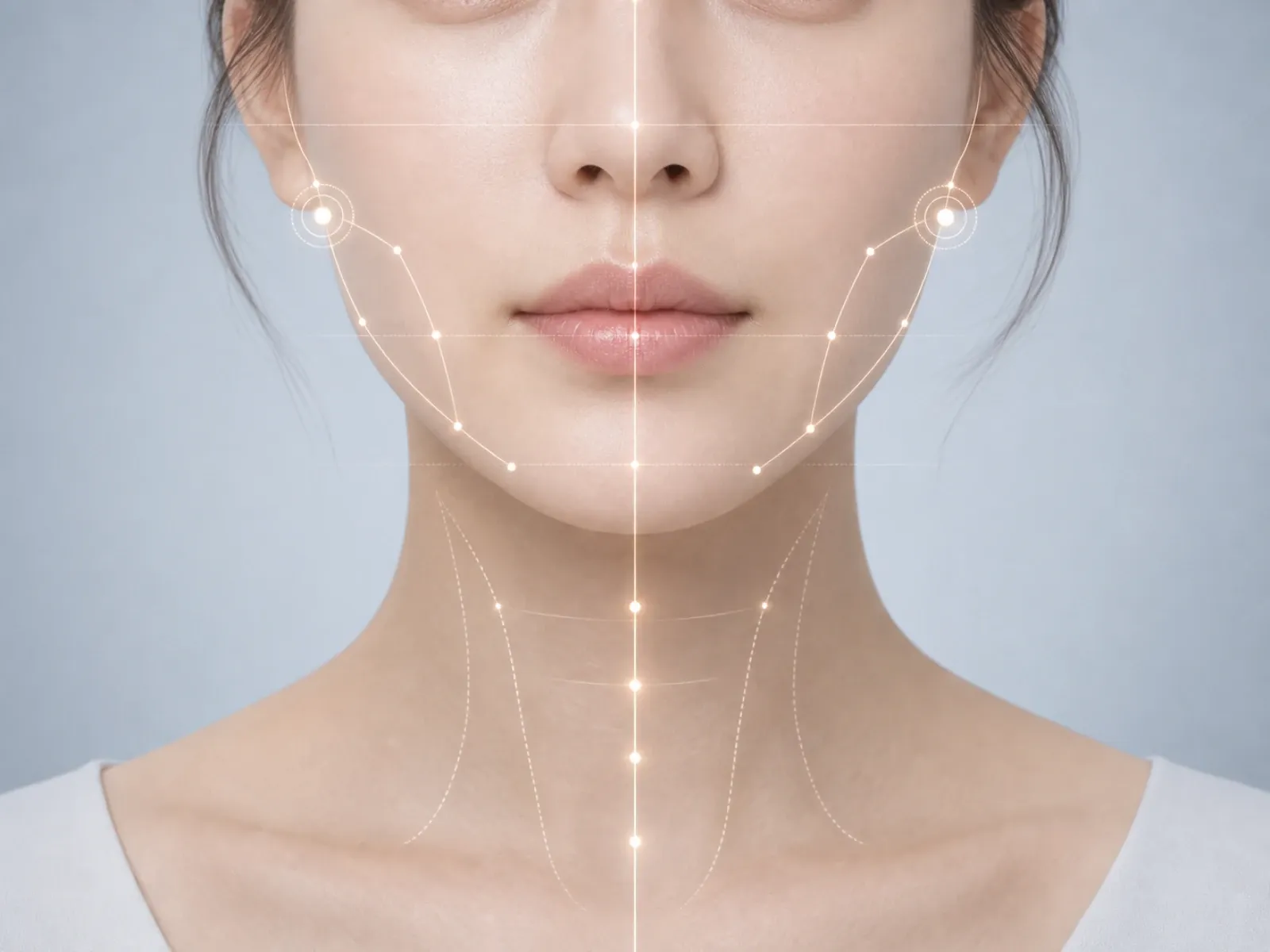
If morning jaw tightness and a changing facial line recur, track bruxism, one-sided chewing, sleep position, and neck tension for a facial asymmetry consultation.
- Morning jaw tightness and a changing facial line: track bruxism, chewing habits, and neck posture together
- Morning and evening facial lines are not observed under the same conditions
- Track bruxism and one-sided chewing separately
- Neck posture and shoulder tension also matter
- A one-week record makes the consultation more specific
Morning jaw tightness and a changing facial line: track bruxism, chewing habits, and neck posture together
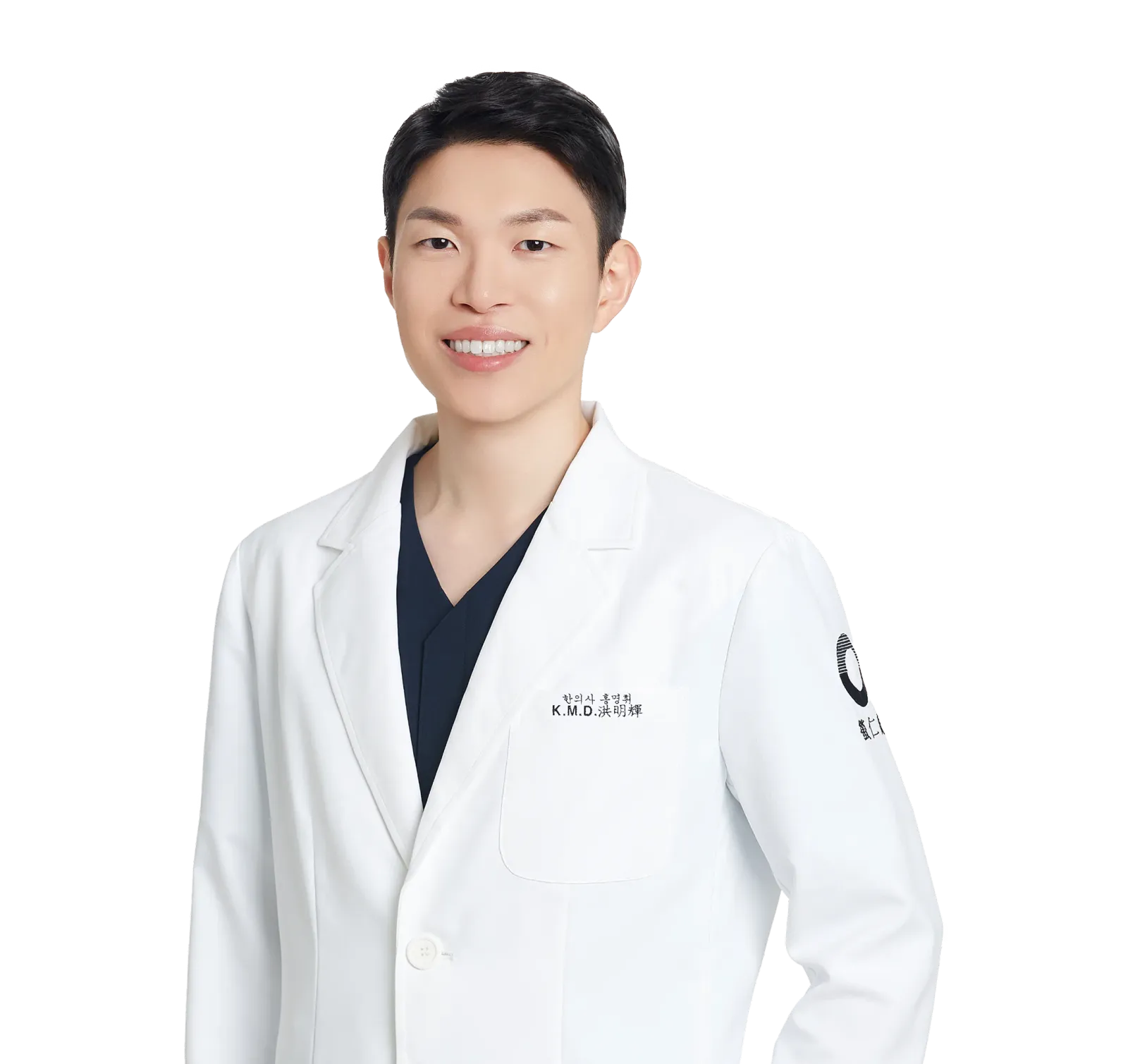
Hello, I am Dr. Hong Myeong-hwi, Chief Physician at Hyunginjae Korean Medicine Clinic Gangnam.
If the jaw feels tight in the morning or the facial line looks different in the mirror, do not conclude that facial asymmetry is present from one photo. Track nighttime bruxism, daytime chewing habits, and neck and shoulder posture together.
Morning and evening facial lines are not observed under the same conditions
Sleep position, puffiness, and clenching can change morning tension around the jaw and how the face appears.
Take morning and evening photos under the same light and angle, and note pain or difficulty opening the mouth.
Track bruxism and one-sided chewing separately
Check whether the molars feel tired on waking, whether you clench while concentrating, and whether you use only one side when eating.
Do not assume one habit is the sole cause. Frequency and duration matter as well.
Neck posture and shoulder tension also matter
Notice whether the head tilts to one side while using a phone or monitor and whether one shoulder is frequently raised.
Before repeatedly applying strong massage only around the jaw, review how the neck and shoulders are used.
A one-week record makes the consultation more specific
Record the pain location, jaw sounds, opening range, chewing side, and sleep position for a week to identify recurring patterns.
At Hyunginjae Korean Medicine Clinic Gangnam, we review jaw use, neck and shoulder tension, daily habits, and facial appearance together.
This article is general health information and does not replace a personal diagnosis. If symptoms persist or worsen, please see a doctor.
About our doctor