Korean Medicine

One swollen, painful leg after summer travel: How to distinguish ordinary swelling from warning signs

Learn the warning signs of a possible blood clot after long-distance travel and when leg swelling, chest pain, or breathlessness needs urgent care.

One swollen, painful leg after summer travel: How to distinguish ordinary swelling from warning signs

Key points

Learn the warning signs of a possible blood clot after long-distance travel and when leg swelling, chest pain, or breathlessness needs urgent care.

  1. One-sided swelling, pain, and warmth should be checked for a possible blood clot
  2. Breathlessness, chest pain, or fainting needs emergency care
  3. After urgent risks are excluded, review daily rhythm and recurring swelling

Hello, I am Dr. Hong Myeong-hwi, Chief Physician at HyungInJae Korean Medicine Clinic Gangnam.

During summer travel, long periods of sitting on a plane, train, or in a car can leave the legs swollen and heavy. Swelling that affects both legs similarly and improves with movement may follow prolonged sitting, but sudden swelling, pain, or warmth in only one leg should not be dismissed as fatigue.

One-sided swelling, pain, and warmth should be checked for a possible blood clot

Deep vein thrombosis is a clot in a deep vein, and prolonged immobility during travel can increase risk. Swelling in one calf or thigh, unexplained pain or tenderness, and red or warm skin are warning signs.

Symptoms alone cannot confirm a clot. If these changes occur, do not try massage or acupuncture first. Seek medical assessment, which may include an ultrasound.

Breathlessness, chest pain, or fainting needs emergency care

A clot from the leg can travel to the lungs and cause a pulmonary embolism. Sudden difficulty breathing, chest pain that worsens with a deep breath, a rapid heartbeat, coughing blood, severe lightheadedness, or fainting requires immediate emergency help.

Risk is higher with recent surgery or hospitalization, previous clots, pregnancy or recent childbirth, estrogen-containing medication, cancer treatment, or a family history of clots.

After urgent risks are excluded, review daily rhythm and recurring swelling

If a medical assessment excludes an urgent problem but swelling and heaviness in both legs keep returning, review sitting time, fluid and sodium intake, sleep, activity, menstrual cycle, and medications. During long trips, stand and walk when possible and move the ankles gently while seated.

HyungInJae Korean Medicine Clinic Gangnam provides consultation on recurring swelling, fatigue, digestion, and sleep only after urgent warning signs have been medically excluded.
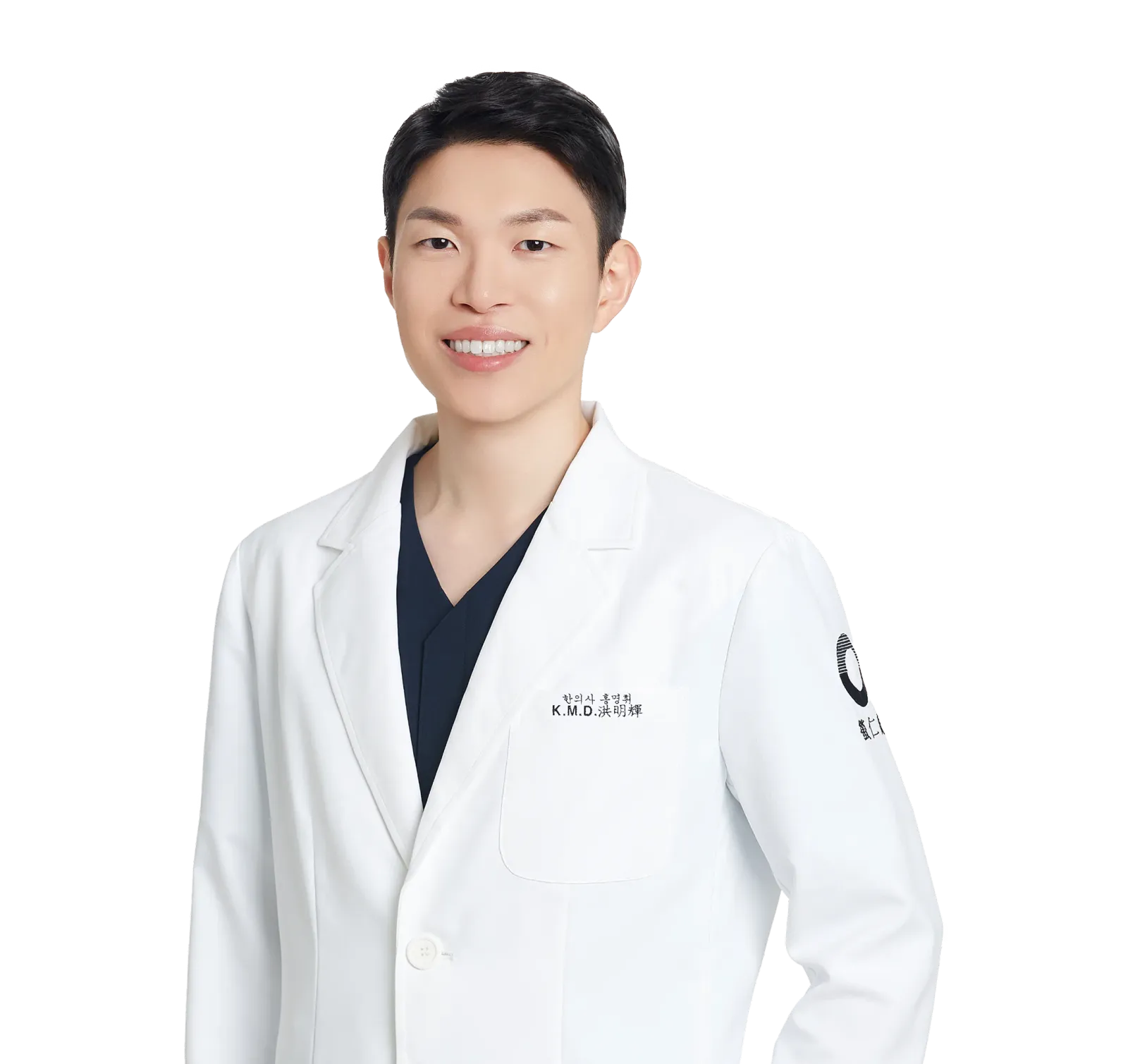
Written & reviewed by

Dr. Hong Myeonghwi Hyunginjae · Kyung Hee University College of Korean Medicine

This article is general health information and does not replace a personal diagnosis. If symptoms persist or worsen, please see a doctor.

About our doctor


FAQ

QShould I seek care if one calf swells after a flight?
If one-sided swelling comes with pain, tenderness, warmth, or redness, seek prompt medical evaluation for a possible blood clot.
QCan I strongly massage the swollen leg?
Do not massage a painful, swollen leg when a clot is possible. Obtain medical assessment first.
QAre compression stockings enough?
Suitability depends on clot risk and vascular health. Ask a medical professional if you have symptoms or risk factors.
QDoes swelling in both ankles every evening mean a clot?
Bilateral swelling has many possible causes, but new or persistent swelling, especially with breathlessness or chest pain, still needs medical assessment.
After long-distance travel, it is important to identify warning signs such as one-sided pain and warmth before treating swelling as routine. Once urgent causes are excluded, HyungInJae Korean Medicine Clinic Gangnam can help review lifestyle rhythm and general condition.
※ Sudden one-sided leg swelling, pain, or warmth, difficulty breathing, chest pain, or fainting may require immediate medical evaluation. An accurate diagnosis requires assessment by a medical professional.
This was Dr. Hong Myeong-hwi, Chief Physician at HyungInJae Korean Medicine Clinic Gangnam.
English, Japanese, and Chinese-speaking staff are available for your convenience.
Parking: Parking is available via the building parking elevator. For SUVs and large sedans, please contact the clinic before visiting.
For reservations, please contact us by phone or through the website.
Address: 2F-3F, 20 Yeoksam-ro 1-gil, Gangnam-gu, Seoul
+82-2-540-8875
Contents
One-sided swelling, pain, and warmth should be checked for a possible blood clot
Breathlessness, chest pain, or fainting needs emergency care
After urgent risks are excluded, review daily rhythm and recurring swelling
Should I seek care if one calf swells after a flight?
Can I strongly massage the swollen leg?
Are compression stockings enough?
Does swelling in both ankles every evening mean a clot?

By appointment · 1:1 care by the chief director

The chief director listens to the signals your body is sending

196 m from Gangnam Stn. Exit 4 · Weekdays 10–19 · Sat & holidays 10–17