Key points
Lifestyle points to review when headaches and neck-shoulder tension recur in air-conditioned environments, including posture, sleep, hydration, and red flags.
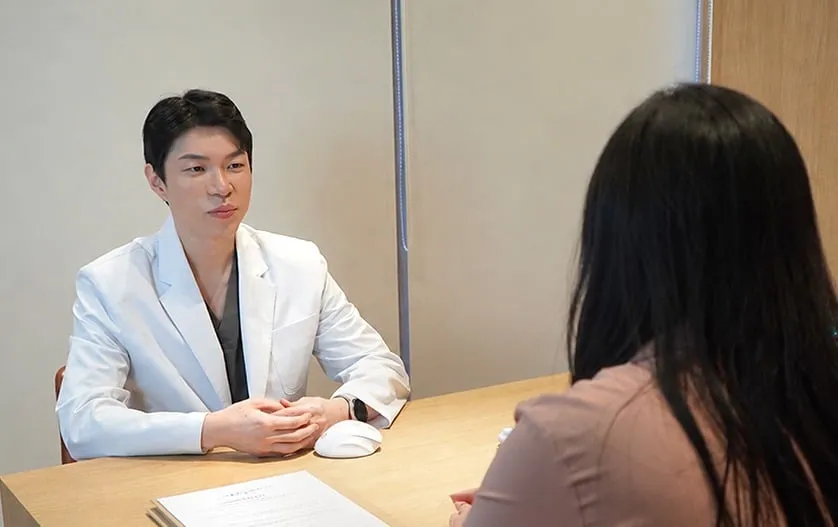
Hello, I am Dr. Hong Myeong-hwi, Chief Physician at HyungInJae Korean Medicine Clinic Gangnam.
Some people develop a tight headache and stiff neck or shoulders after working for a long time in strongly air-conditioned rooms. Cold air should not be assumed to be the only cause. Prolonged posture, screen height, poor sleep, stress, meals, and hydration may overlap and should be reviewed together.
Record the headache location and accompanying symptoms
Note whether the pain feels like pressure on both sides, throbbing on one side, or worsens with neck movement, and record how long it lasts. Nausea, sensitivity to light or sound, dizziness, and visual changes also matter. A sudden severe headache, trouble speaking, weakness, altered consciousness, high fever, or headache after a head injury requires urgent medical assessment.
Check fixed posture and screen height before blaming the air conditioner
A low monitor or prolonged phone use can move the head forward and increase strain on the neck and shoulders. Keep the top of the screen near eye level, support the elbows and lower back, and stand briefly every 30 to 60 minutes. Avoid forceful neck twisting and move slowly within a comfortable range.
Review sleep, hydration, caffeine, and tension patterns
Irregular sleep, skipped meals, and suddenly increasing or reducing caffeine can trigger headaches in some people. Spread fluid intake across the day and limit late caffeine and heavy alcohol use. Notice jaw clenching or raised shoulders during work and use brief, slow breathing to release unnecessary tension.
Use frequency and severity to decide when to seek care
If headaches become frequent, pain-reliever use increases, or sleep and work are disrupted, do not delay assessment with lifestyle care alone. HyungInJae Korean Medicine Clinic Gangnam reviews the headache pattern, neck-shoulder tension, sleep, digestion, and daily rhythm to discuss an individualized direction.

This article is general health information and does not replace a personal diagnosis. If symptoms persist or worsen, please see a doctor.
About our doctor