Key points
Learn how to track sleep, meals, activity, and symptoms when premenstrual bloating and fatigue feel worse in summer, including when to seek medical care.
Hello, I am Dr. Hong Myeong-hwi, Chief Physician at HyungInJae Korean Medicine Clinic Gangnam.
Bloating, fatigue, changes in sleep or appetite, and mood symptoms can occur before a period. Heat, air conditioning, irregular meals, and disrupted sleep may make discomfort feel stronger, but the pattern and severity vary from person to person and from month to month.
Track bloating and fatigue with the rest of the cycle
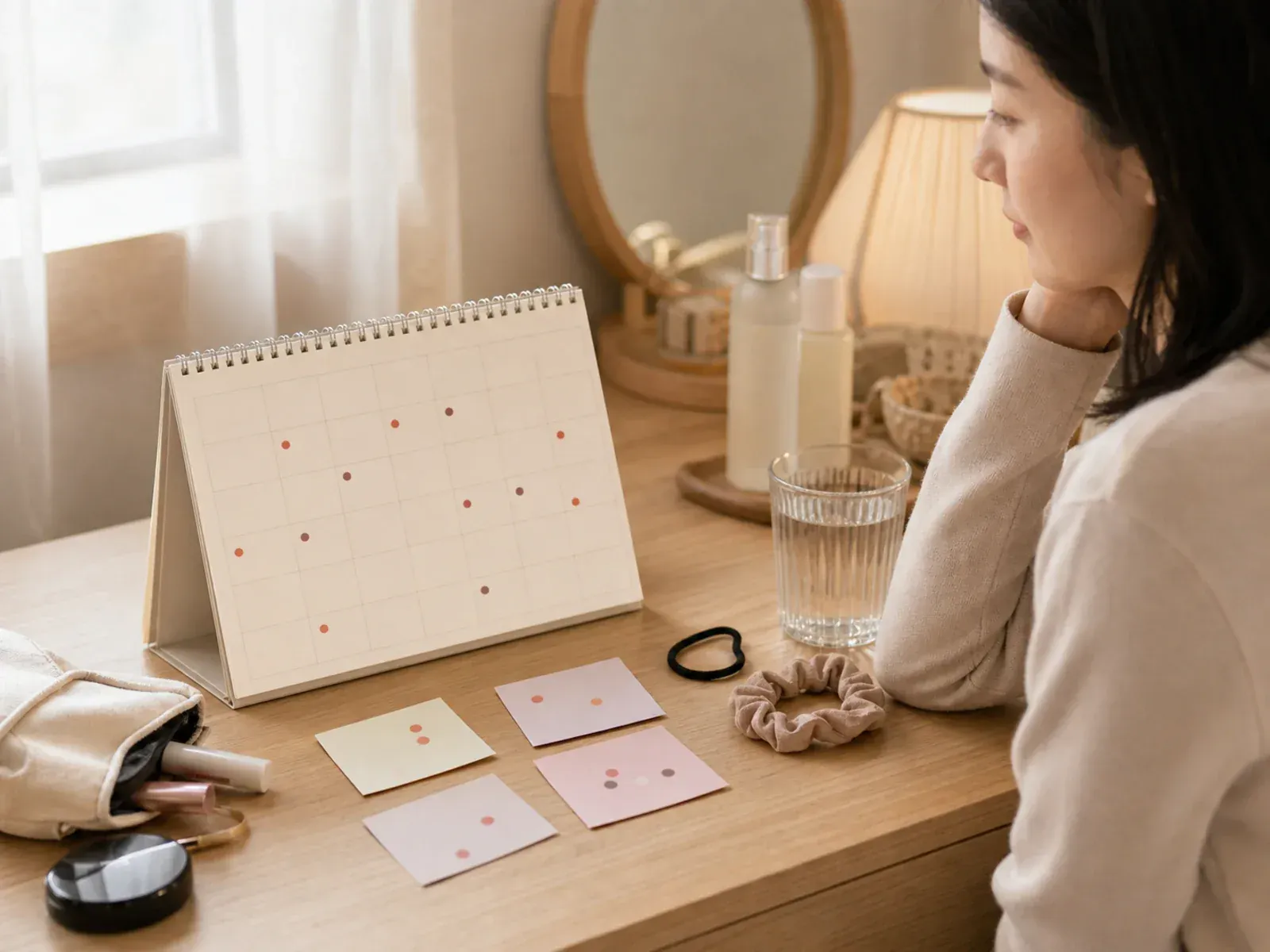
Premenstrual syndrome can include abdominal bloating, swelling, fatigue, headache, sleep and appetite changes, irritability, or low mood. Record when symptoms begin, whether they ease after menstruation starts, and how they affect daily life. A simple diary across at least two menstrual cycles can make recurring patterns easier to discuss.
Review sleep, meals, and activity as one rhythm
Late nights, skipped meals, salty foods, or high caffeine intake may coincide with more noticeable bloating and fatigue. Aim for regular meals, adequate sleep, and manageable physical activity, adjusting the timing and intensity on very hot days. Avoid extreme fluid restriction or starting unproven supplements without professional advice.
A symptom diary makes the consultation more specific
Note where swelling occurs, weight changes, digestion, bowel habits, sleep, caffeine, alcohol, and activity. HyungInJae Korean Medicine Clinic Gangnam reviews menstrual timing, daily rhythm, digestion, stress, and current medications before discussing an individualized Korean medicine approach. Symptoms are not assumed to have one cause, and outcomes cannot be guaranteed.
Seek medical care when symptoms disrupt life or suddenly change
If symptoms continue to interfere with work or daily life despite lifestyle changes, or if swelling, pain, mood symptoms, or bleeding patterns suddenly change, seek medical evaluation. Shortness of breath, swelling in only one leg, fainting, or heavy bleeding should not be dismissed as ordinary premenstrual discomfort and requires prompt assessment.

This article is general health information and does not replace a personal diagnosis. If symptoms persist or worsen, please see a doctor.
About our doctor