Key points
A practical guide to lifestyle habits for insomnia, including sleep rhythm, light, caffeine, meals, stress, and Korean medicine consultation.
Hello, this is Dr. Hong Myeong-hwi, Chief Physician of Acupuncture Hyunginjae Gangnam Diet Korea.
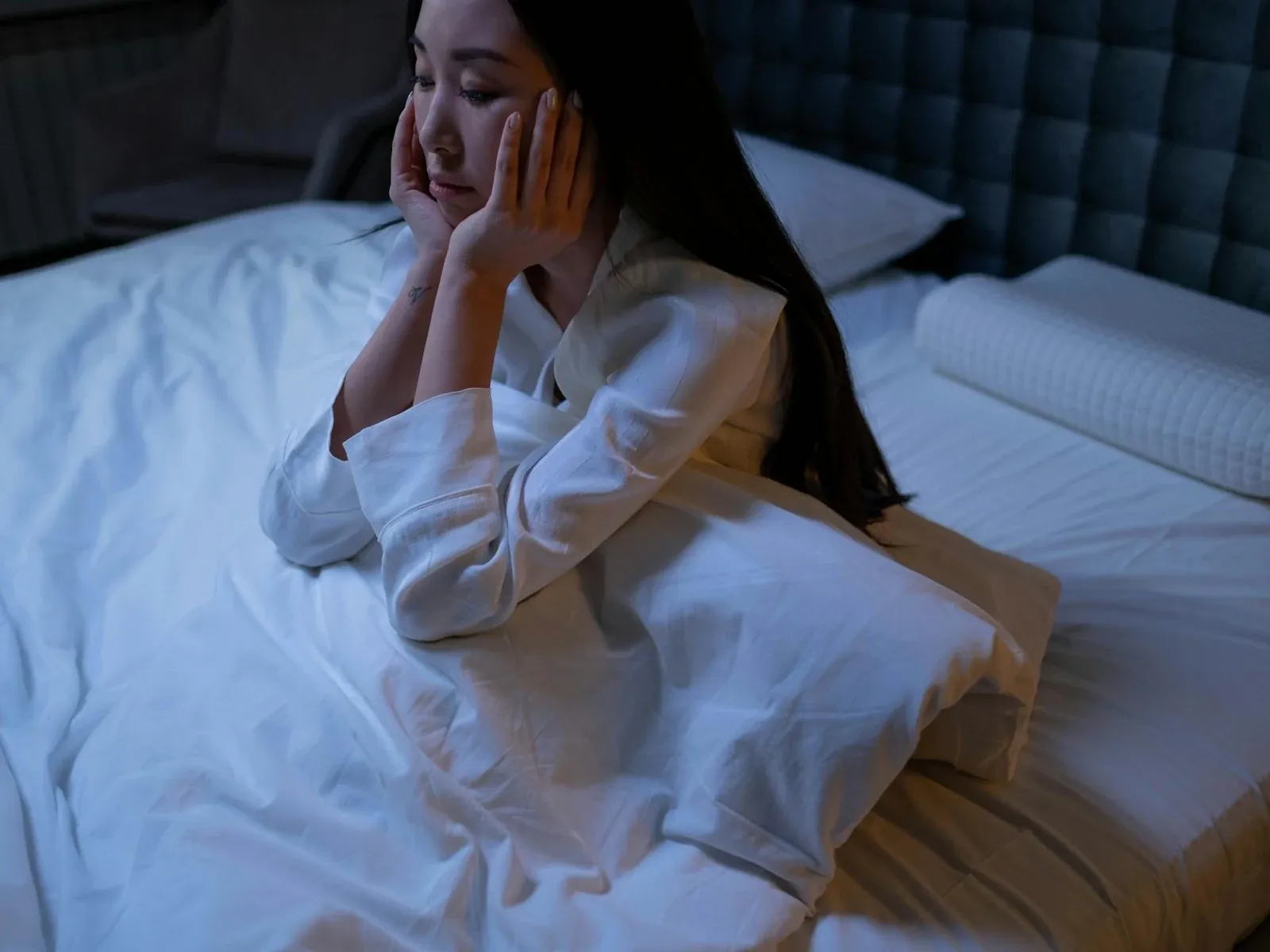
When sleepless nights repeat, the next day is not the only thing affected. Appetite, digestion, focus, skin condition, and weight-management rhythm can also become unstable.
Looking at insomnia through lifestyle habits does not mean trying to endure it with willpower. It means adjusting the day’s rhythm so the body can move more easily toward sleep.
Why should sleep rhythm be consistent?
The body distinguishes day and night through repeated sleep and wake times. Starting with a consistent wake time, morning light, and light movement can help reset the rhythm.
How should caffeine and meals be adjusted before sleep?
Late caffeine, alcohol near bedtime, late-night snacks, and heavy meals can affect sleep. Before bed, it is helpful to reduce digestive burden.
Bedroom environment matters more than expected
A dark, quiet room that is not too hot or cold is important. Long smartphone use right before bed can keep the brain alert.
How does Korean medicine view insomnia?
Sleep is reviewed together with tension, digestion, heat sensation, coldness, sweating, chest tightness, and fatigue recovery. Please confirm an accurate diagnosis through consultation.

This article is general health information and does not replace a personal diagnosis. If symptoms persist or worsen, please see a doctor.
About our doctor