Key points
When summer acne keeps returning, review sleep, diet, stress, product use, and signs that need medical care instead of simply cleansing more.
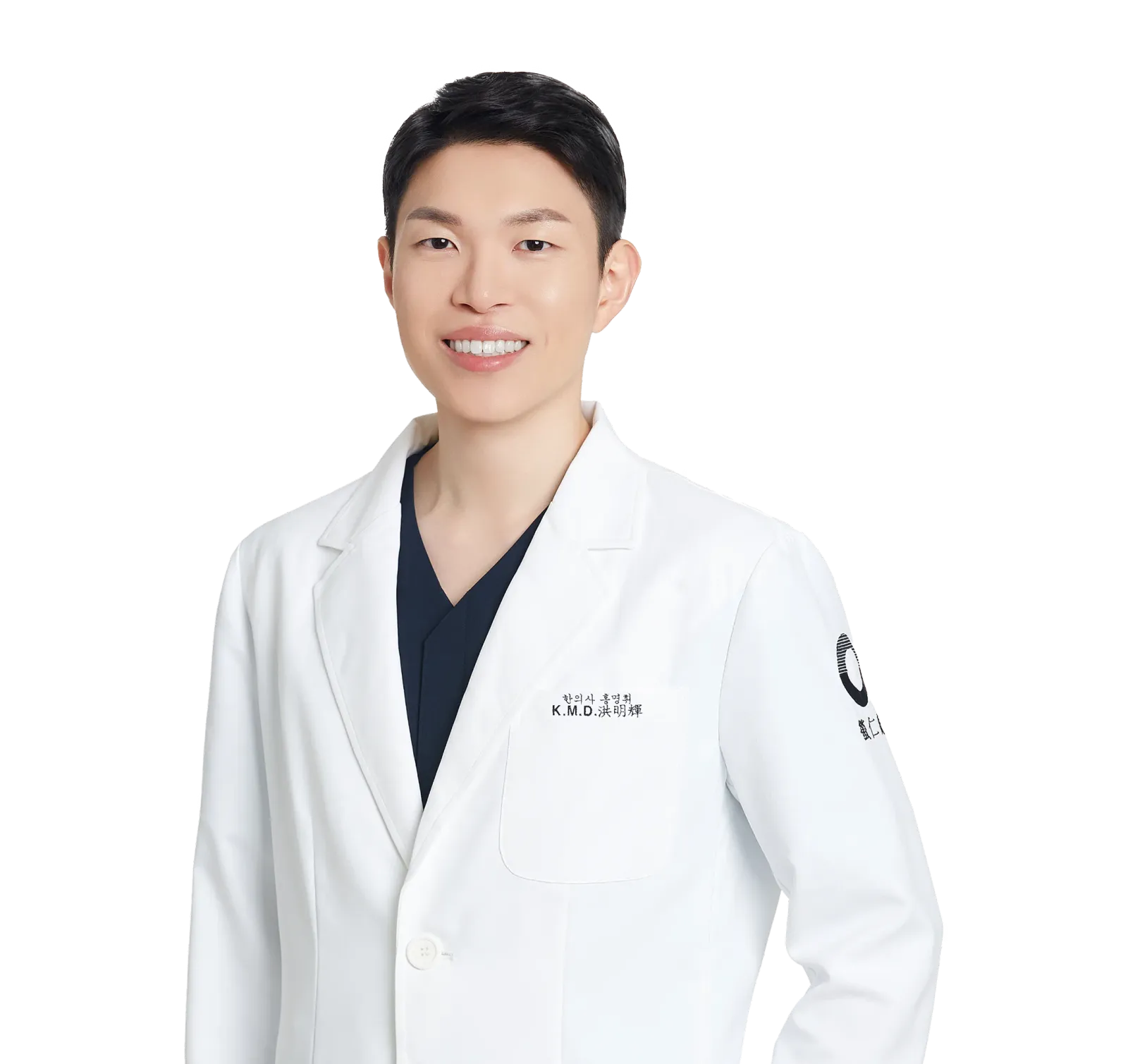
Hello, I am Dr. Hong Myeong-hwi, Chief Physician at HyungInJae Korean Medicine Clinic Gangnam.
“I keep breaking out in summer. Is it because I sweat more?” This is a common concern. Assuming that insufficient cleansing is the only cause can lead to more irritation.
I ask patients to record where and what type of lesion appears, whether it overlaps with changes in sleep, and whether there is a pattern after sugary drinks or late-night meals. Skin-care products, stress, and hormonal changes may also need to be reviewed.
Sweating more does not mean cleansing more and more
After exercise or outdoor activity, gently remove sweat and sunscreen residue. Using a harsh cleanser several times a day or scrubbing until the skin feels squeaky can add irritation and dryness.
I look beyond cleansing frequency. Tightness or stinging after washing, oily products, and areas touched by hair can provide clues. Squeezing or repeatedly touching a lesion can also increase the risk of scarring and post-inflammatory pigmentation.
Sleep, diet, and stress are clues to a repeating pattern, not a single cause
Existing acne may worsen during periods of insufficient sleep or increased stress. Research has also examined an association between high-glycemic eating patterns and acne, but removing one food does not resolve every case.
For about two weeks, note the date, sleep duration, late-night meals, sugary drinks, menstrual cycle, new skin-care products, and breakout location. I use the record to identify repeating situations without recommending an unnecessarily restrictive diet.
Deep and painful acne should not be managed by lifestyle changes alone
Unlike a small comedone, painful nodules, pus-filled lesions, and rapidly increasing scars need medical attention. Perioral dermatitis or folliculitis can also resemble acne, so an accurate distinction matters.
A Korean medicine consultation reviews sleep, digestion, stress, menstrual cycle, and current medication along with the skin. Necessary dermatology treatment or prescriptions should not be stopped without medical advice, and appropriate specialist care may be recommended.
This article is general health information and does not replace a personal diagnosis. If symptoms persist or worsen, please see a doctor.
About our doctor