Key points
When adequate time in bed still leaves you unrefreshed, record bedtime, sleep onset, awakenings, naps, caffeine, and morning and daytime condition.
Still unrefreshed after sleep? Record bedtime, awakenings, and morning condition together
Hello, I am Dr. Hong Myeong-hwi, Chief Physician at Hyunginjae Korean Medicine Clinic Gangnam (Acupuncture Hyunginjae Gangnam Diet Korea).
You may spend seven or more hours in bed yet wake with a heavy head and a body that does not feel fully awake. Time in bed is not always time asleep. Repeated awakenings and large shifts in wake time can leave sleep feeling unrefreshing even when the total looks long. We review the period from before bedtime through the following afternoon.
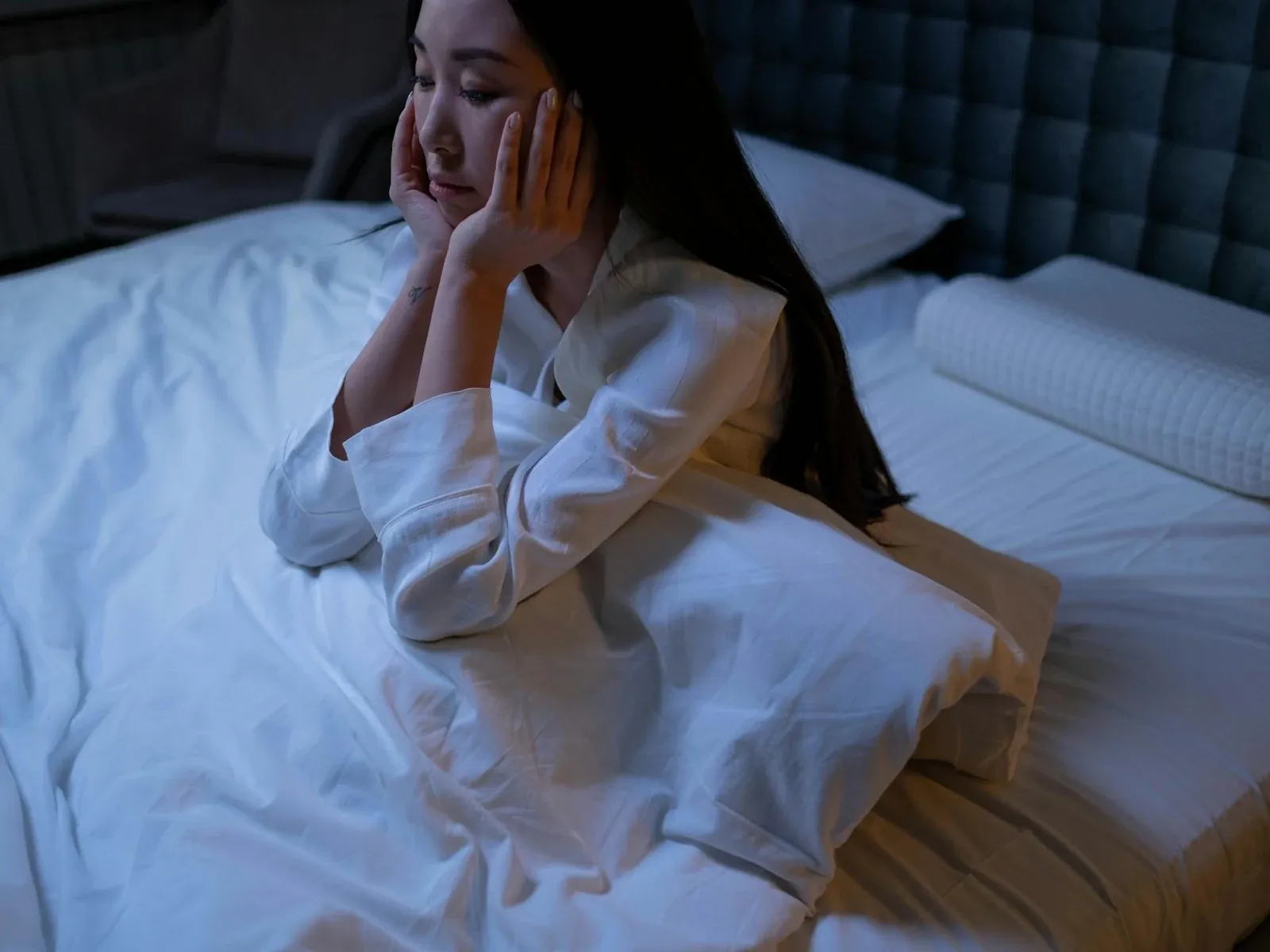
Record sleep onset, awakenings, and next-day condition, not only total sleep time.
Separate sleep time from time in bed
Record when you got into bed, turned out the light to try sleeping, and believe you actually fell asleep. Note differences between workdays and days off and whether the alarm was repeatedly delayed.
Use the same fields for at least a week. This helps separate an unusual night from a recurring pattern.
Record awakenings and morning condition
Note how often you woke, whether you used the bathroom, whether pain or heat woke you, and how long returning to sleep felt. Short, medium, or long is enough when exact minutes are difficult.
In the morning, record headache, dry mouth, jaw tension, swelling, appetite, and mood. Mark loud snoring, gasping awakenings, or witnessed breathing pauses separately and prioritize appropriate testing.
Connect naps and caffeine
Record the start and length of naps, the timing of coffee or tea, evening alcohol, and exercise. Daytime choices can connect to sleep onset that night and sleepiness the next day.
Do not change everything at once. Begin with a consistent wake time, then adjust an easy-to-track factor such as late caffeine or a long late-afternoon nap.
Use the record to guide consultation
Along with the sleep diary, we review recent stress, pain, digestion, menstrual or menopausal changes, medicines, and supplements. Sleep problems should not be attributed to a single constitution or to fatigue alone.
Hyunginjae Korean Medicine Clinic Gangnam examines daily rhythm and accompanying symptoms before discussing whether Korean medicine care is appropriate. Suspected sleep apnea or another sleep disorder may require testing and medical evaluation first.
This was Dr. Hong Myeong-hwi, Chief Physician at Hyunginjae Korean Medicine Clinic Gangnam (Acupuncture Hyunginjae Gangnam Diet Korea).
Consultation is available in English, Japanese, and Chinese.
Parking: a parking elevator is available inside the building. For SUVs and large sedans, please contact us before your visit.
For appointments, please contact us by phone or through our website.
2F–3F, 20 Yeoksam-ro 1-gil, Gangnam-gu, Seoul
tel. +82-2-540-8875
This article is general health information and does not replace a personal diagnosis. If symptoms persist or worsen, please see a doctor.
About our doctor