Key points
What breaks down over a holiday is usually meal timing rather than meal size. How late nights and a delayed first meal feed each other, and three minimums you can keep, explained by Dr. Hong Myung-hwi of Acupuncture Hyunginjae Gangnam Diet Korea.
Hello, this is Dr. Hong Myung-hwi, director of Acupuncture Hyunginjae Gangnam Diet Korea.
The Chuseok holiday falls next week. Once it is over, many people tell me the same thing.
“I don’t think I ate that much, but my body feels heavy.”
What breaks down first over a holiday is usually not the amount of food. It is the timing.
You sleep late, wake late, push the first meal back, and finish eating later.
Today I want to share the minimum you can hold on to, even during the holiday.
1. Timing is what slips first
Holiday conversations run late, and bedtime moves back.
Waking up late pushes the first meal back. Skipping breakfast and starting at lunch shifts the whole day’s eating toward the evening.
Dinner and late-night snacks then grow larger. Even with the same total intake, food concentrated in the late hours leaves the next morning heavier.
Over a 3-day holiday, that cycle repeats three times. This is why the body feels heavy once the holiday ends.
Holding on to timing is, in practice, easier than trying to cut portions.
2. What late meals leave behind
A late meal leaves three things.
- A change in morning appetite — eat late and you are not hungry in the morning, so the first meal slides back again.
- Sleep quality — eating right before bed leaves the work of digestion to happen during sleep. The hours may be the same, but you wake less refreshed.
- The next meal’s choices — sitting down very hungry makes soups and sweets the first thing you reach for.
Holiday food tends to be salty and rich. Add delayed timing and swelling arrives together with digestive discomfort.
The number on the scale comes back within days. The cycle stays.
3. Three minimums you can keep
Keeping your usual diet through a holiday is hard. Hold on to three things instead.
1. Wake-up time — do not push it more than 1 hour past usual. Even after a late night, holding the wake-up time brings a faster return to normal.
2. First meal time — eat something within 2 hours of waking. The amount can be small. The first meal sets the day’s baseline.
3. Last meal time — finish 3 hours before bed. If a late gathering is unavoidable, keep the portion smaller there.
Keeping even one of the three changes how the week after the holiday goes, because what lingers is when you ate rather than what you ate.
Of the three, wake-up time is the one I weigh most. When waking slips, the other two slip with it.
4. The order of recovery after the holiday
Please do not start the day after a holiday by skipping meals. Starting with hunger concentrates food in the evening again.
The order goes like this.
- Move the first meal back to its usual time. It usually settles within 2 days.
- After several salty meals, increase fluids and take light walks.
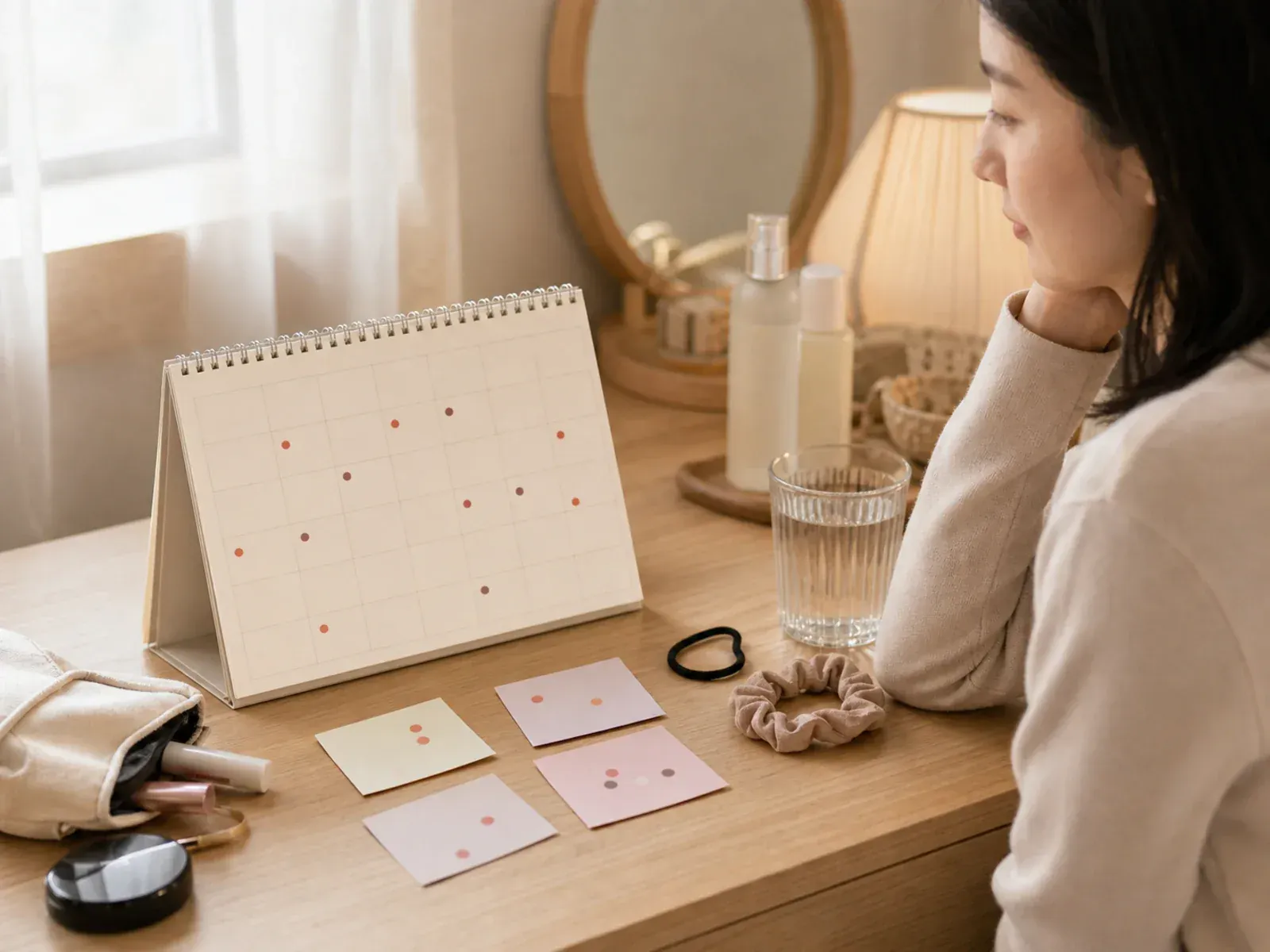
- Check your weight 3 to 4 days later, not right after the holiday. The number right after includes water.
If 2 weeks have passed and your mornings still feel heavy while meal times have not returned, it is worth reviewing your body composition together with your daily rhythm.
Weight changes also vary between individuals. If you have a thyroid condition or take regular medication, this guide does not apply as written. In those cases I recommend having the cause checked by a physician before adjusting meal times.

This article is general health information and does not replace a personal diagnosis. If symptoms persist or worsen, please see a doctor.
About our doctor